NEWS
ESKİŞEHİR HOSTS CIVIL PARTICIPATION SUMMIT
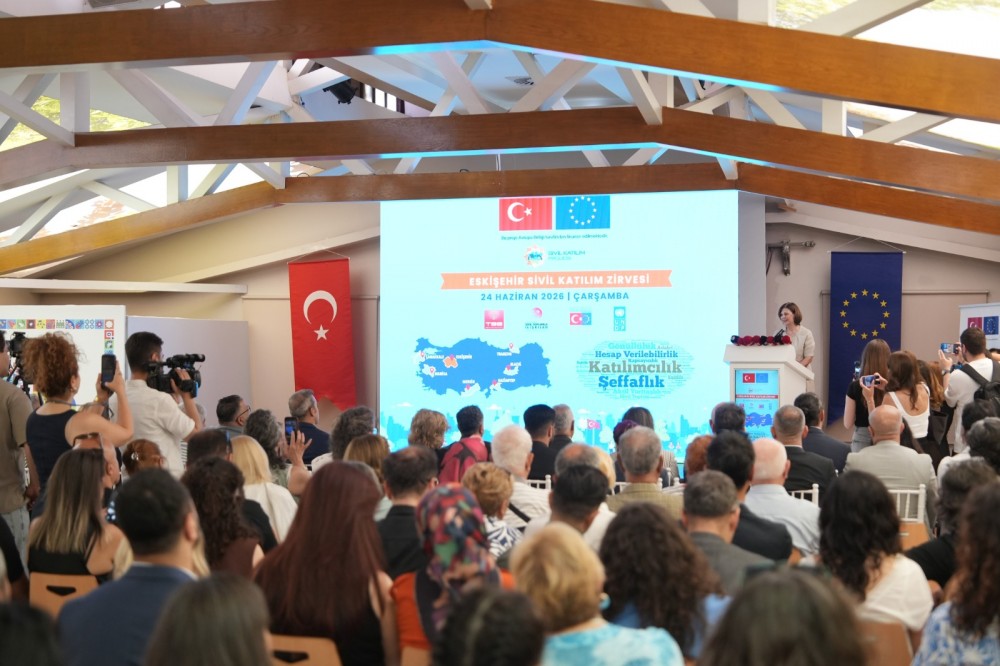
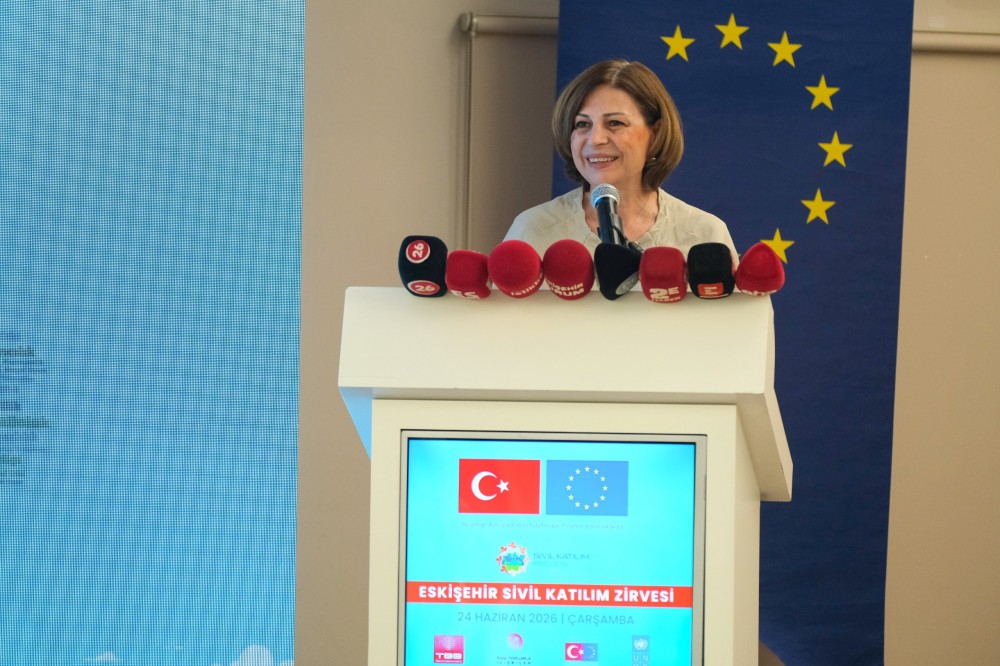
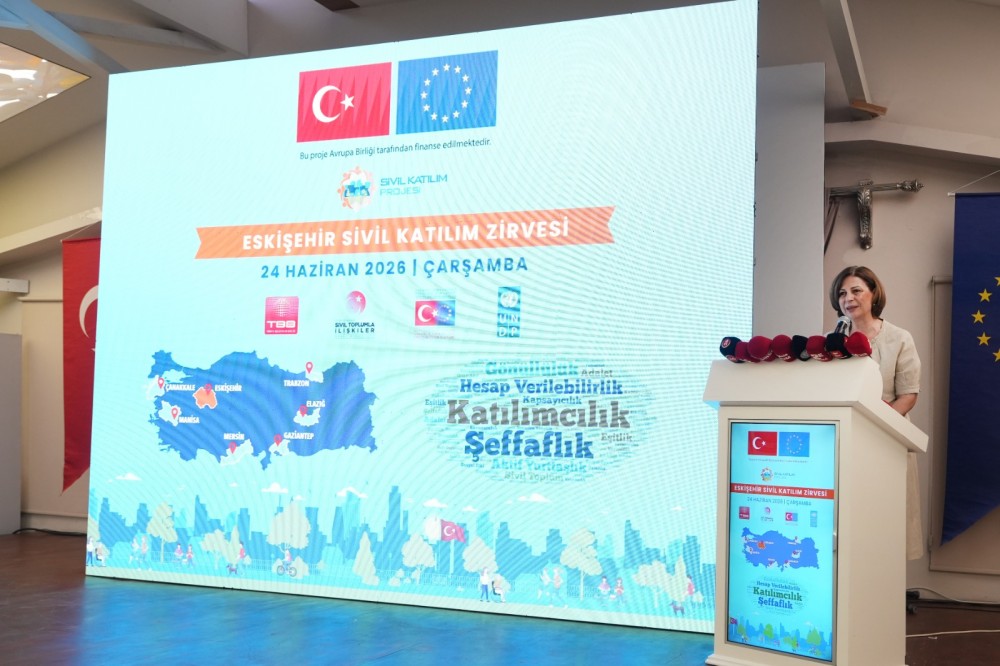
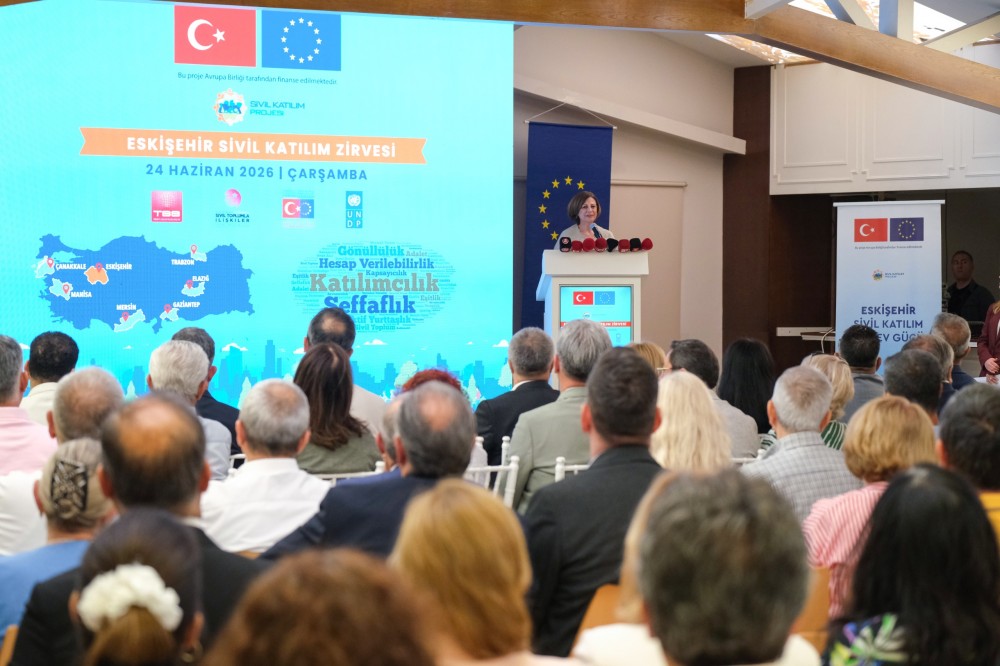
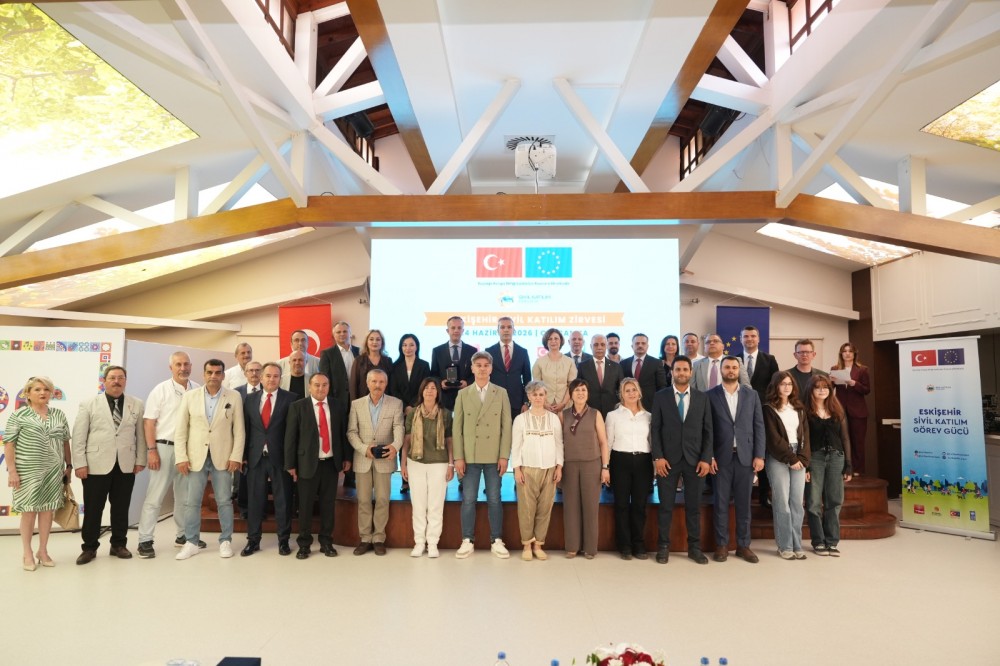
The Civil Participation Summit, organized under the Civil Participation Project hosted by Eskişehir Metropolitan Municipality and implemented in cooperation with the Ministry of Interior of the Republic of Türkiye, the Directorate for EU Affairs, the Delegation of the European Union to Türkiye, the Union of Municipalities of Türkiye (UMT), and the United Nations Development Programme (UNDP), was held at the Eskişehir Haller Youth Center, bringing together a wide range of participants.
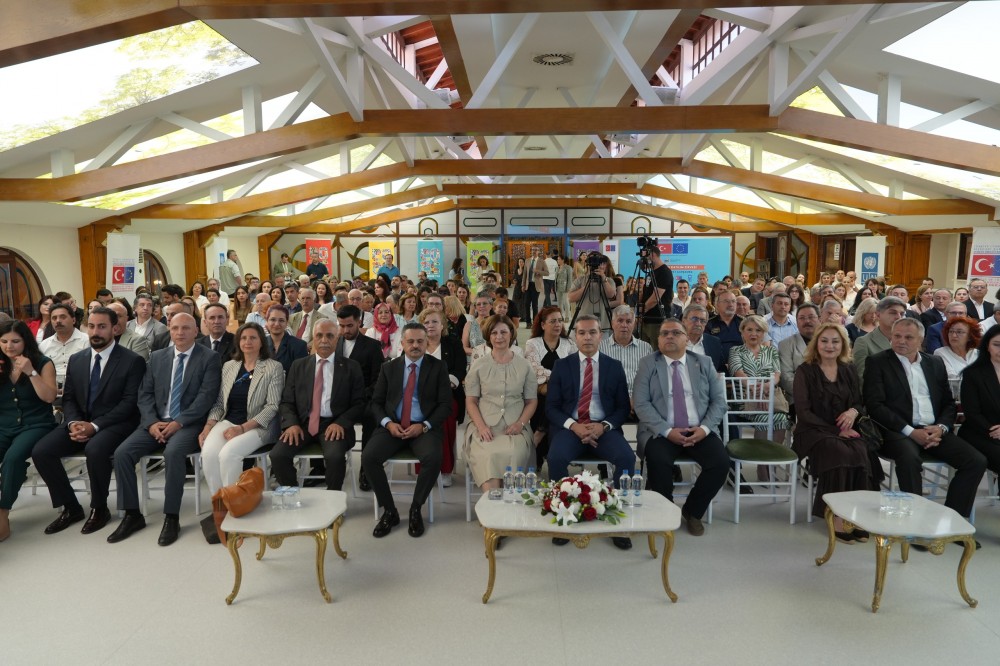
Among the attendees were Dr. Hasan Çiçek, Deputy Governor of Eskişehir; Ayşe Ünlüce, Mayor of Eskişehir Metropolitan Municipality; Mehmet Ömürbek, EU Affairs Expert at the Directorate for EU Affairs; İpek Seda Geçim Bakır, Civil Society and Fundamental Rights Programme Manager at the Delegation of the European Union to Türkiye; Ulaş Altun, Deputy Secretary General of the Union of Municipalities of Türkiye; representatives of the Directorate for EU Affairs, the EU Delegation to Türkiye, UMT, UNDP, and numerous civil society organizations based in Eskişehir.
Eskişehir was one of the seven pilot provinces selected for the project, alongside Çanakkale, Manisa, Mersin, Gaziantep, Elazığ, and Trabzon, where project activities were also carried out.
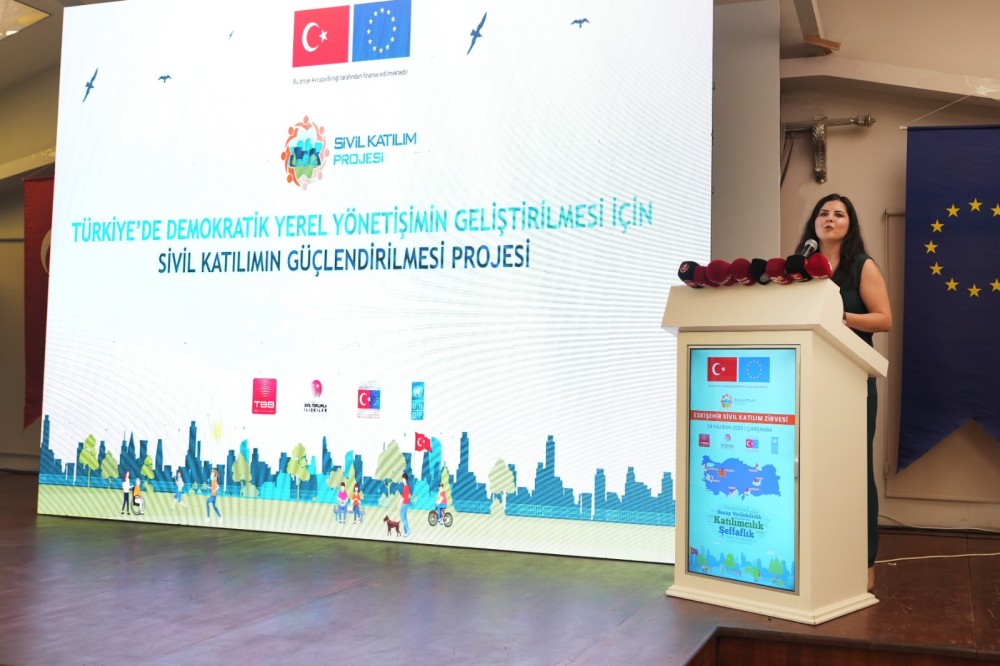
The summit opened with a promotional film highlighting the project's three-year implementation process and its key achievements.
"ESKİŞEHİR'S EXPERIENCE HAS INSPIRED OTHER CITIES"
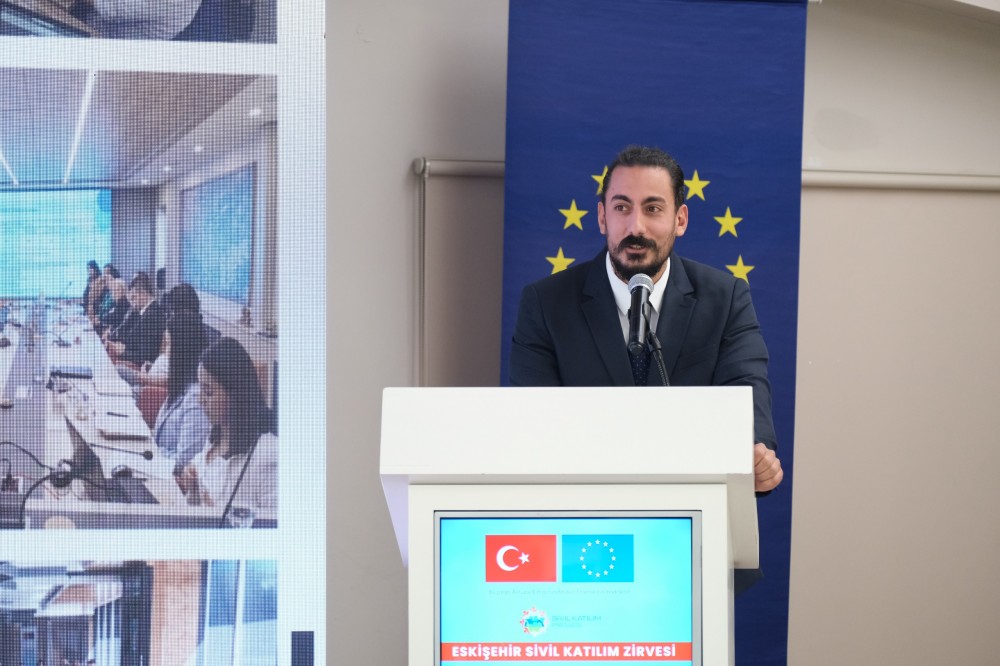
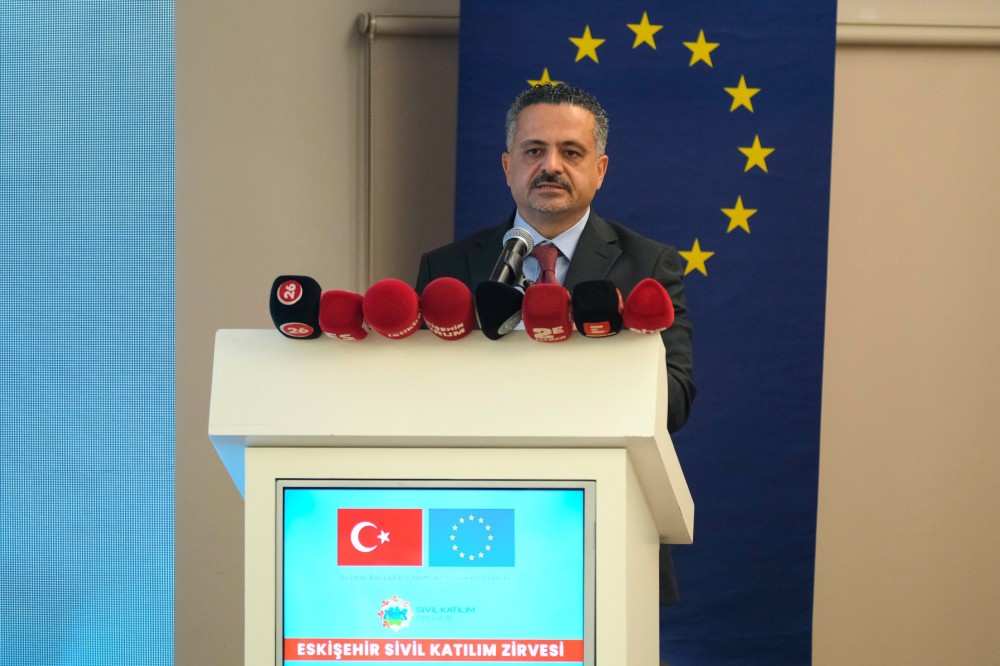
Following the screening, opening speeches commenced. Speaking first, Mehmet Ömürbek, EU Affairs Expert at the Directorate for EU Affairs, emphasized the dynamic civil society environment in Eskişehir, noting that the city had submitted a remarkable number of project applications. He underlined that the project aims to strengthen the economic sustainability of civil society organizations and support social entrepreneurship initiatives. Ömürbek also stated that the civil participation mechanisms developed in Eskişehir had inspired newly launched projects in Türkiye's earthquake-affected regions and thanked both the Eskişehir Governor's Office and Eskişehir Metropolitan Municipality for their contributions.
"ESKİŞEHİR IS ONE OF THE STRONGEST CENTERS OF PARTICIPATORY CULTURE"
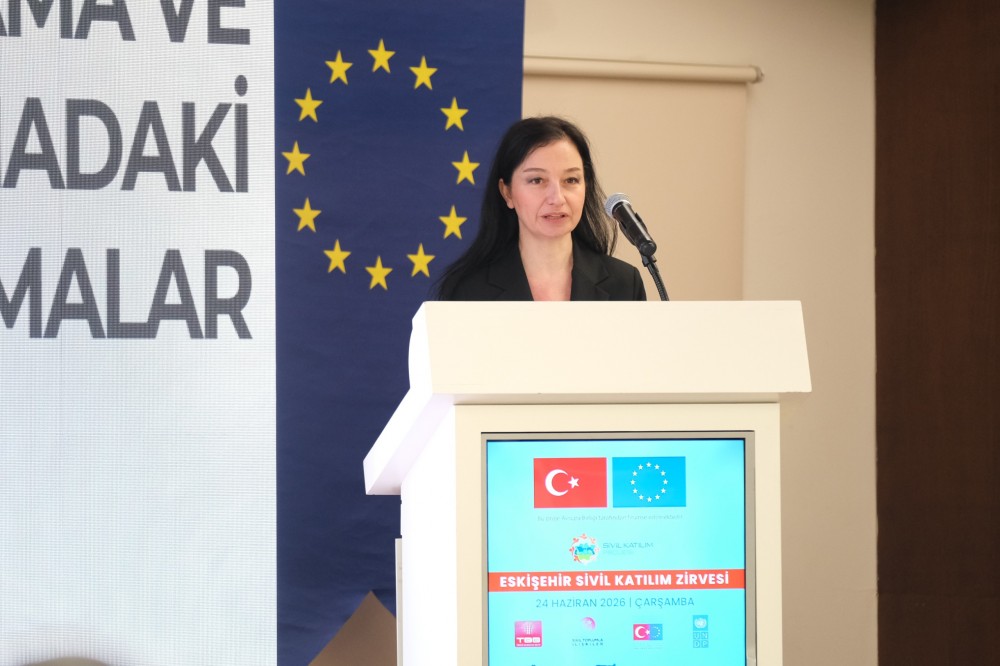
İpek Seda Geçim Bakır, Civil Society and Fundamental Rights Programme Manager at the Delegation of the European Union to Türkiye, described Eskişehir as one of the exemplary cities that successfully combines history, culture, science, and youthful energy.
She emphasized that Eskişehir is much more than a university city, saying:
"It is a living laboratory where young people generate ideas, art transforms society, and citizens actively participate in urban life. That is why Eskişehir is one of our cities where participation is not merely a concept but a natural part of everyday life."
"THE ESKİŞEHİR MODEL WILL SPREAD ACROSS TÜRKİYE"
Ulaş Altun, Deputy Secretary General of the Union of Municipalities of Türkiye, stated that Eskişehir, with its vibrant civil society and active university community, had become one of the project's most inspiring cities.
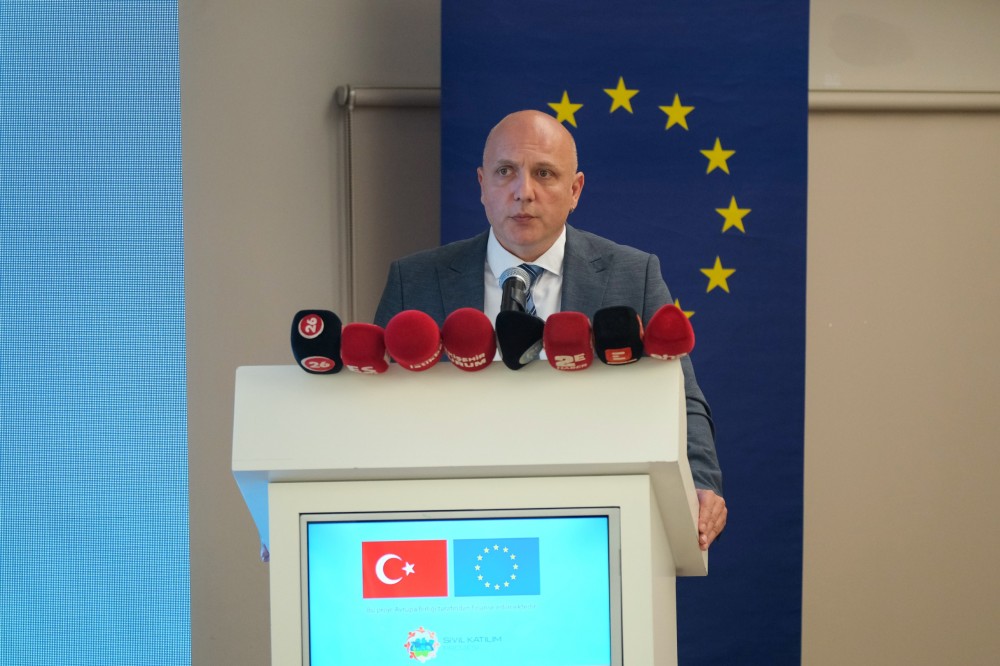
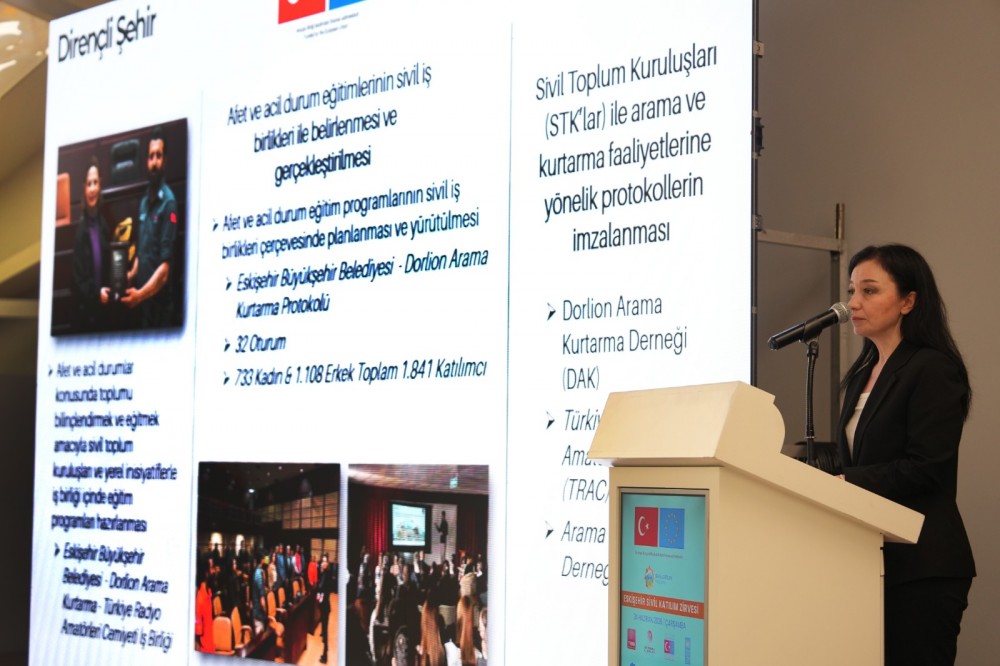
He noted that under the coordination of the Eskişehir Civil Participation Task Force, exemplary initiatives had been carried out particularly in the fields of resilient cities and accessible and inclusive cities. Altun said "Our goal is to integrate this successful cooperation model developed in Eskişehir into the national governance network of the Union of Municipalities of Türkiye rather than limiting it to local boundaries, and to establish it as a lasting standard for municipalities across the country."
MAYOR ÜNLÜCE: "A CULTURE OF PARTICIPATION HAS EVOLVED INTO PERMANENT STRUCTURES"
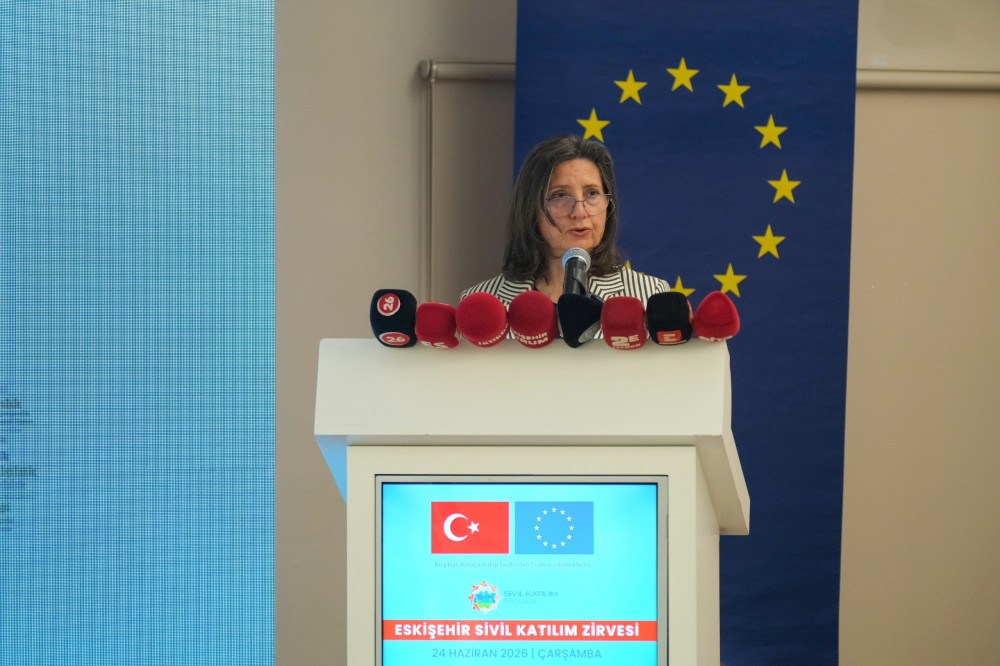
Mayor of Eskişehir Metropolitan Municipality Ayşe Ünlüce stated that they are proud to be one of the pilot cities of the project, which is funded by the European Union and implemented by UNDP.
Ünlüce noted that the project has further strengthened Eskişehir's already well-established civil society network, bringing together local governments, public institutions, professional chambers, neighbourhood headmen, neighbourhood representatives, and citizens around the same table.
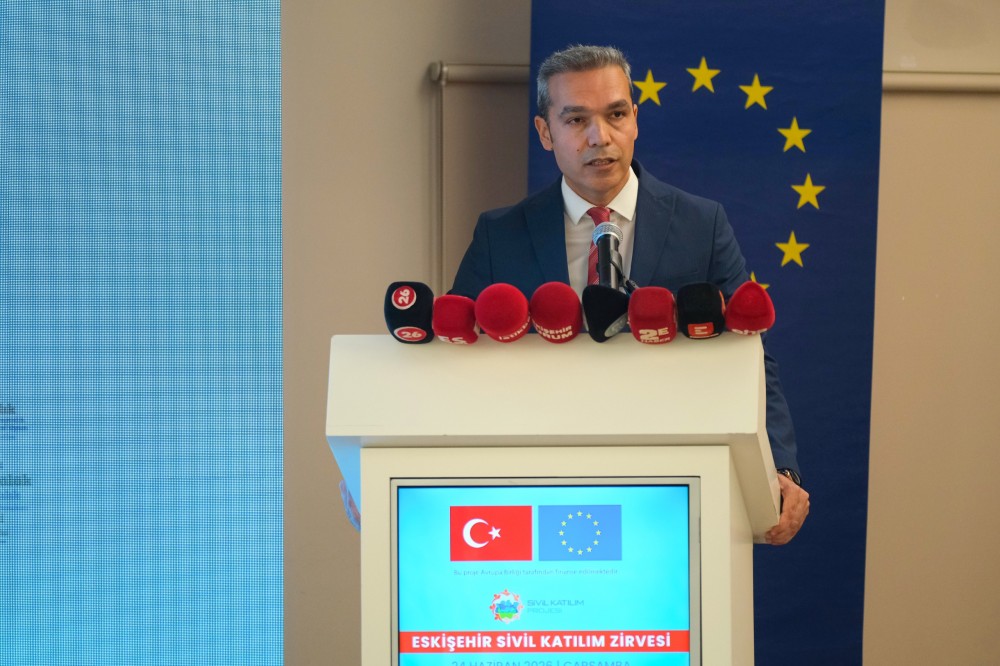
She stated that the strategic plan and action plans prepared within the scope of the project have made significant contributions to the municipality's future goals. She also noted that the opinions of nearly 10,000 citizens were gathered and that the municipality's 2026 goals were shaped in line with the recommendations of the public. Announcing that 2026 has been declared the "Year of Eskişehir," Ünlüce emphasized that permanent structures established through the project, such as the Civil Society Support Centre and the Climate Action Centre, are tangible outcomes of the participatory governance approach.
"We do not want to be known only as a youth city, a retirement city, an industrial city or an agricultural city," said Ünlüce. "We are continuing on our path towards becoming a city that develops in every aspect, achieves balanced development, and prioritises quality of life.
"STRONG DEMOCRACY IS POSSIBLE THROUGH STRONG LOCAL GOVERNMENTS"
In his speech, Dr. Hasan Çiçek, Deputy Governor of Eskişehir, stated that the Civil Participation Project is based on the principle of a strong democracy. Çiçek noted that strong local governments are possible not only through public institutions but also through the participation of civil society, universities, neighbourhood headmen, women, young people, and all urban stakeholders in decision-making processes. He added that Eskişehir's selection as a pilot province was no coincidence.
Emphasising Eskişehir's experience in public-civil society cooperation and its culture of collaboration, Çiçek stated that the achievements of the project will also provide a foundation for future European Union projects.
PROJECT OUTCOMES PRESENTED
Following the protocol speeches, Neslihan Cankara, Project Manager and Chief Technical Advisor of the UNDP Civil Participation Project, delivered a comprehensive presentation on the project's three-year implementation process, its outcomes, and its future objectives.
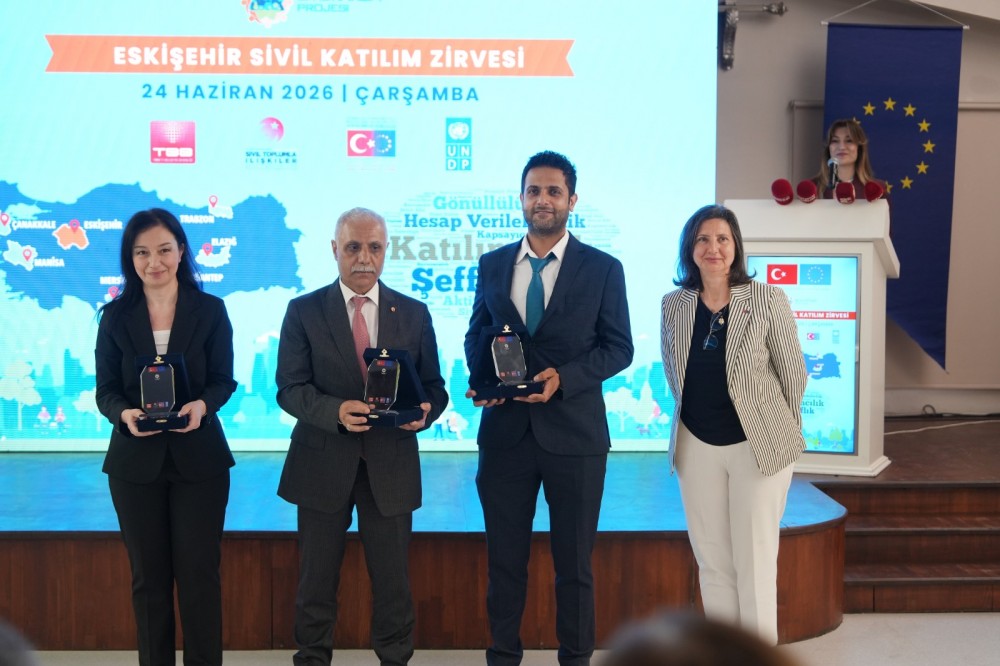
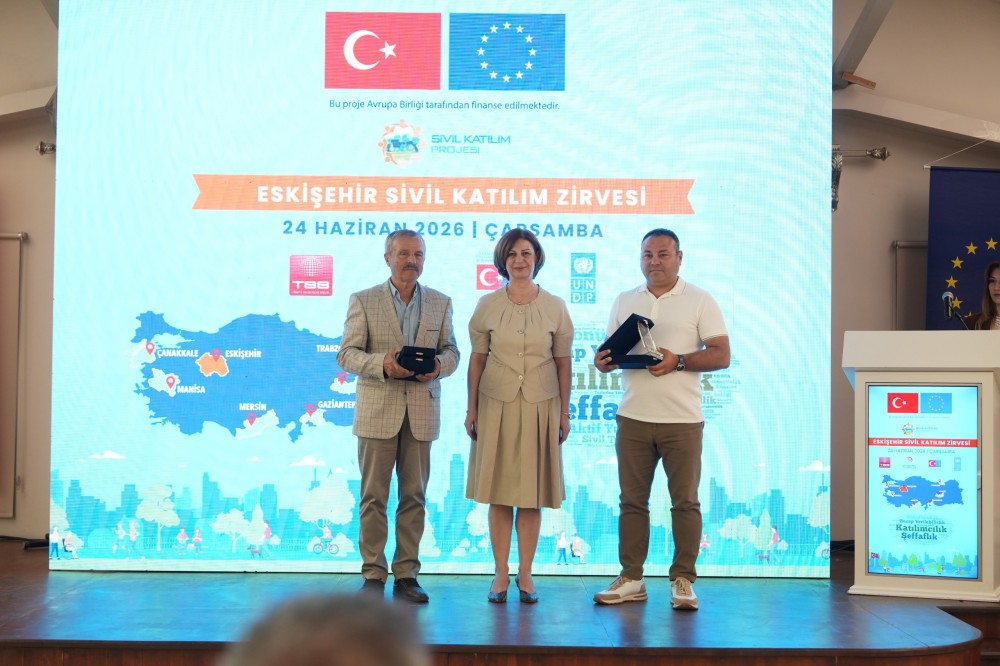
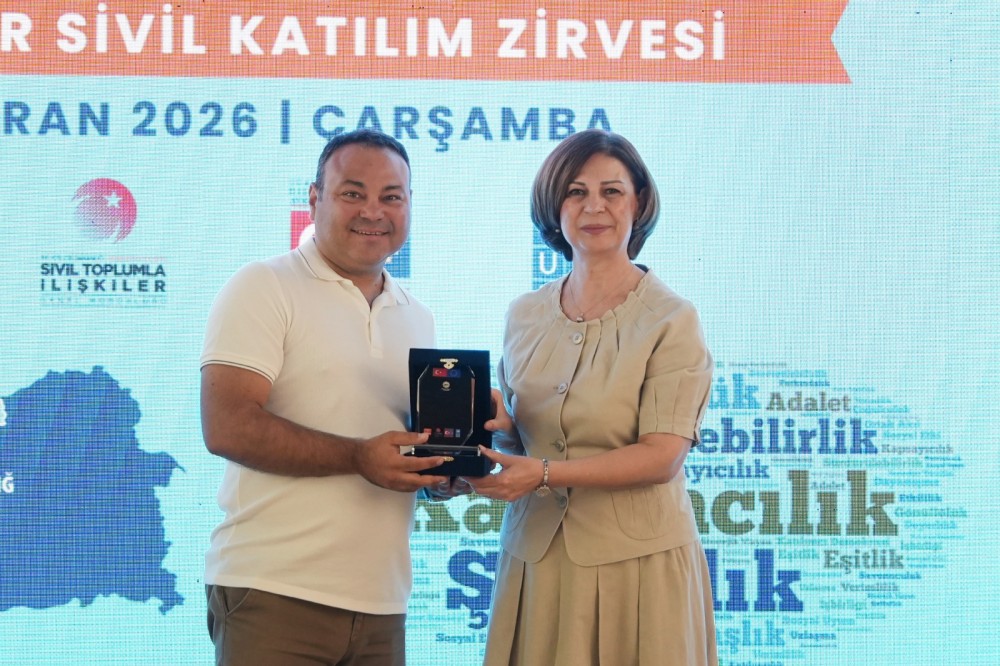
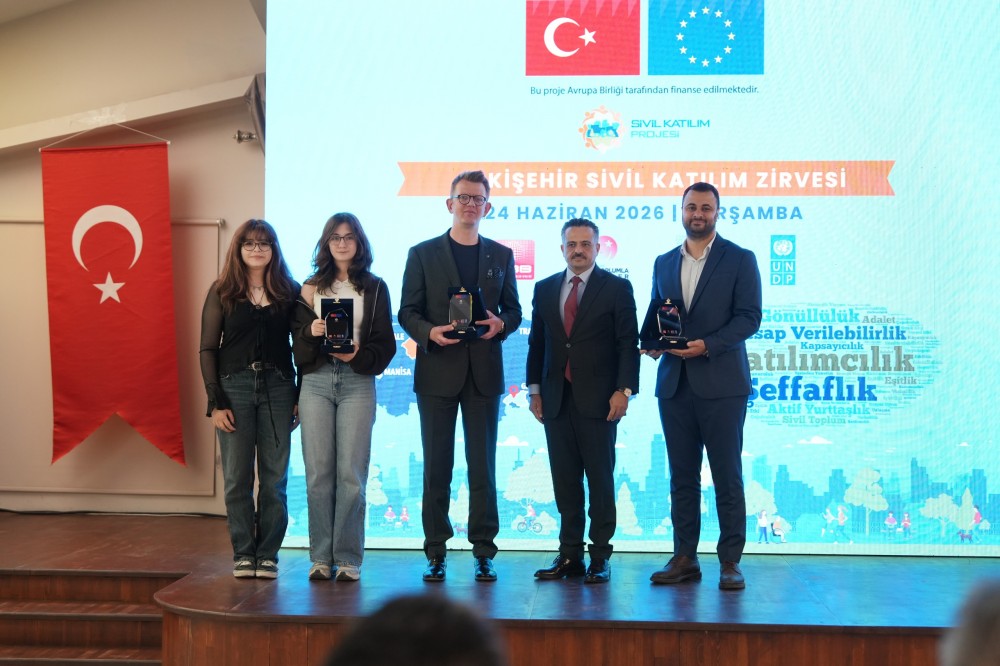
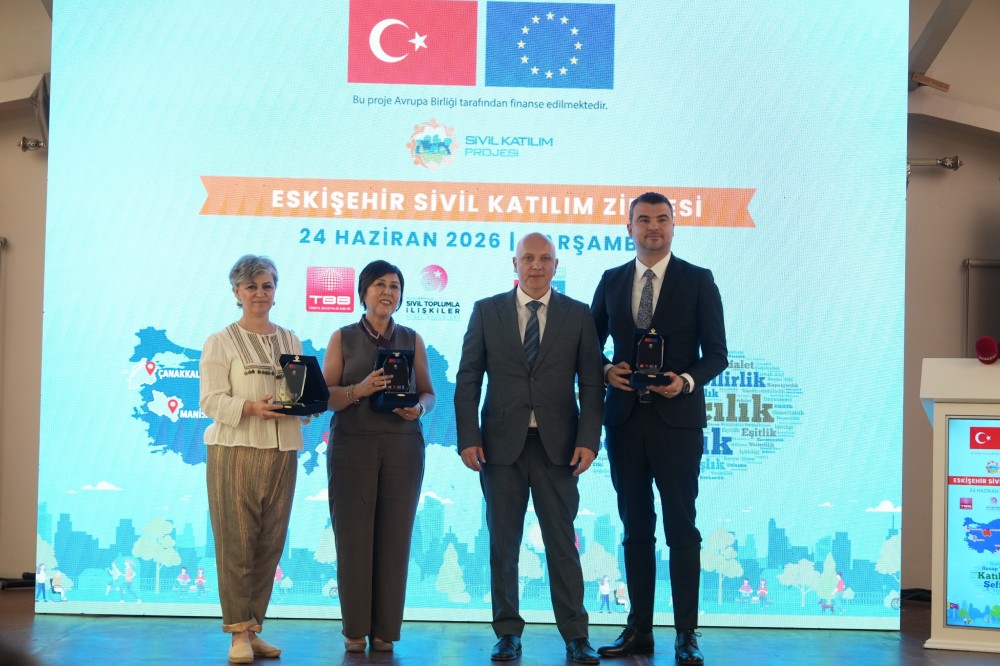
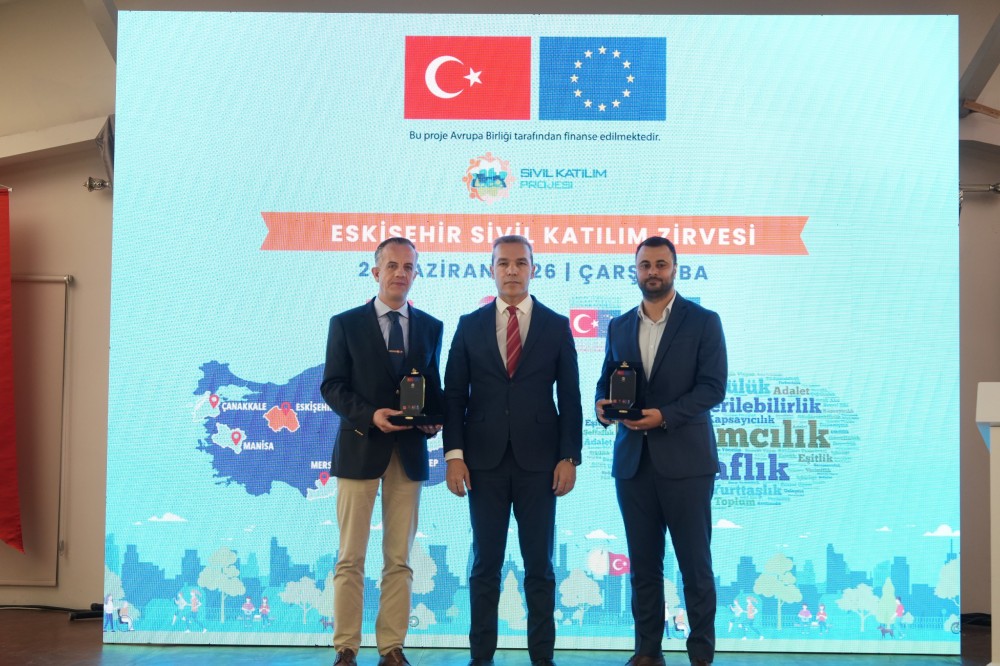
Following the speeches, plaques were presented to the members of the Civil Participation Task Force established within the scope of the project.
The programme then continued with the session titled "Eskişehir's Civil Participation Journey." During the session, Baran Can Karadoğan, Field Coordinator of the UNDP Türkiye Civil Participation Project, and Sıla Senem Bükülmez, Head of the Strategy Development Department of Eskişehir Metropolitan Municipality, gave presentations on the activities carried out within the scope of the project.
PANEL DISCUSSION HELD
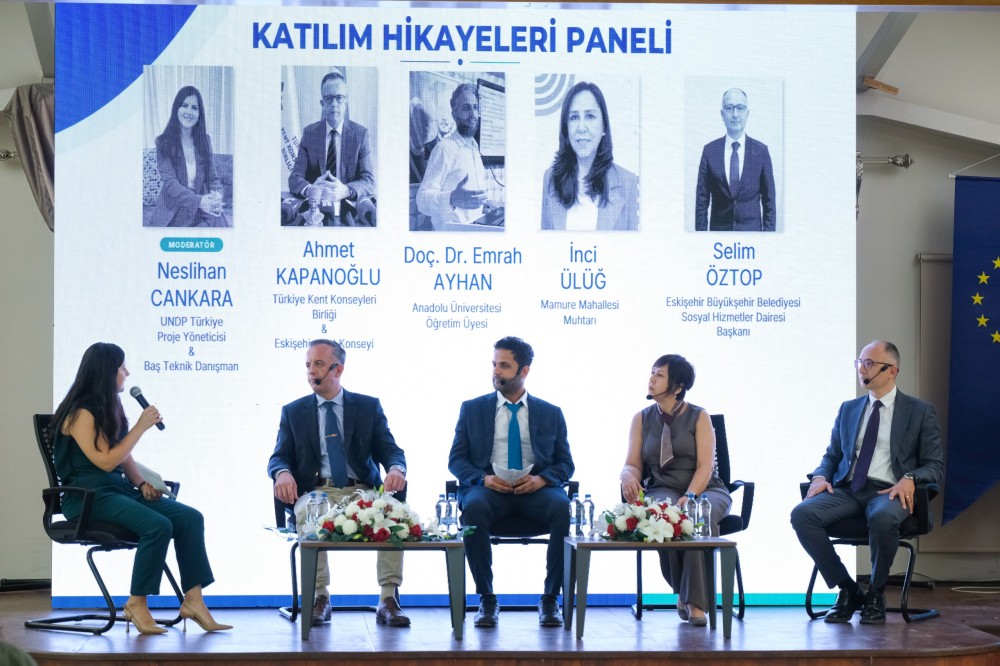
A panel titled "Stories of Participation and the Spirit of Civil Participation in Eskişehir" was held under the moderation of Neslihan Cankara, Project Manager and Chief Technical Advisor of the Civil Participation Project. The panel featured Ahmet Kapanoğlu, President of the Union of City Councils of Türkiye and Eskişehir City Council; Assoc. Prof. Dr. Emrah Ayhan, faculty member at Anadolu University; İnci Ülüğ, Head of Mamure Neighbourhood; and Selim Öztop, Head of the Department of Social Services of Eskişehir Metropolitan Municipality, who shared their experiences throughout the implementation of the Project.