NEWS
A SHARED GATHERING IN ESKİŞEHİR FOR THE WORLD OF THE FUTURE
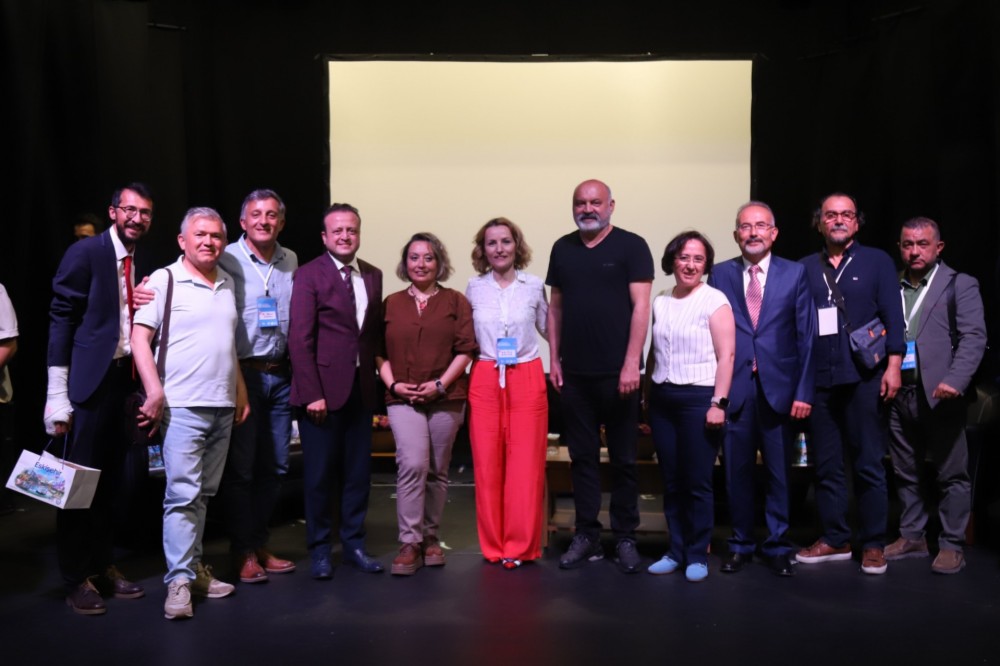
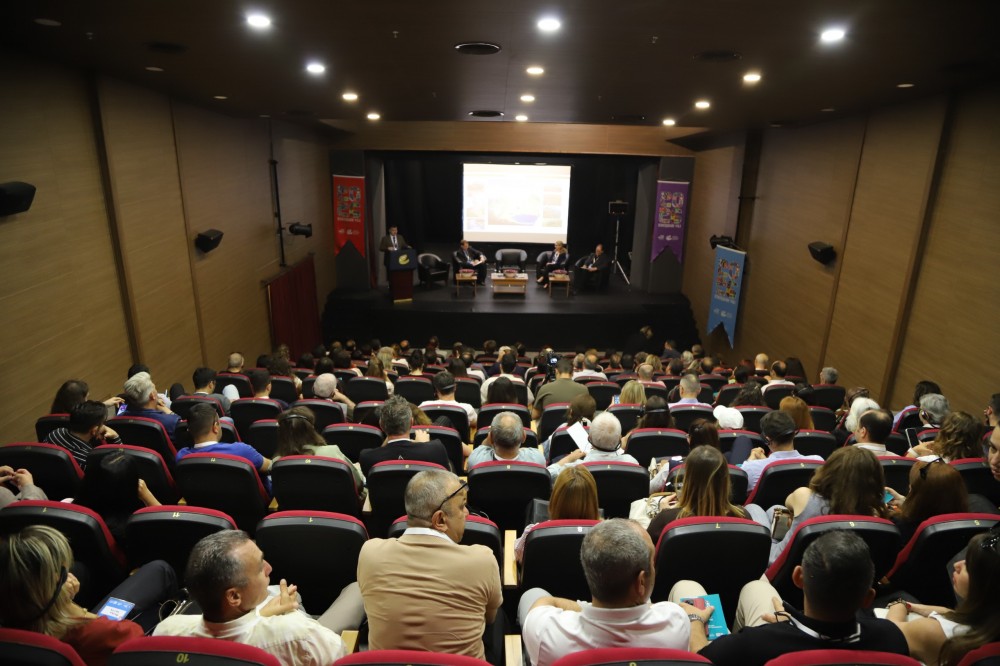
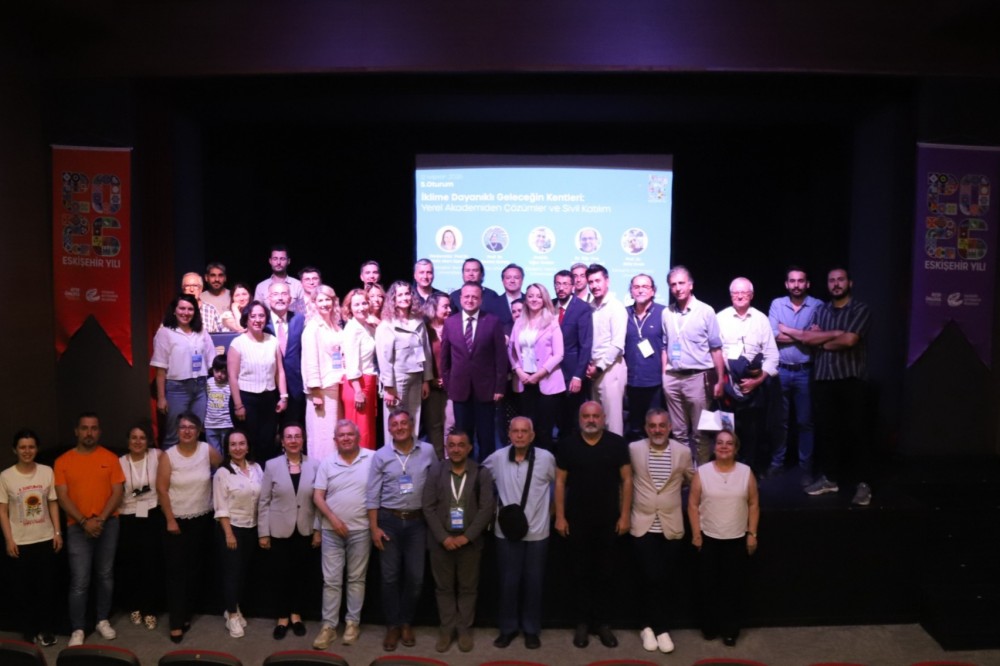
The International Eskişehir Climate Change and Environment Symposium, organized by the Department of Climate Change and Zero Waste of Eskişehir Metropolitan Municipality and bringing together prominent scientists, academics, local government representatives, and sector stakeholders from around the world, concluded successfully following an intensive two-day programme.
RENOWNED ACADEMICS GATHERED IN ESKİŞEHİR
Held to raise awareness of the global climate crisis, enhance scientific knowledge sharing, and promote solution-oriented cooperation, the symposium featured expert discussions on a range of important topics, including climate change, environmental policies, sustainable cities, waste management, energy transition, water resources, and biodiversity.
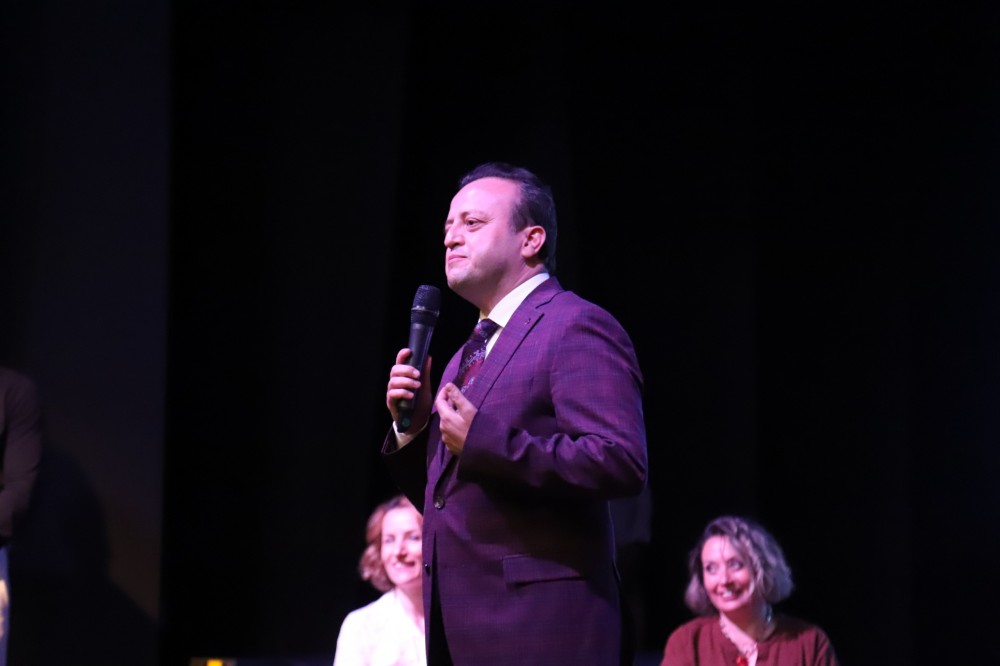
In her opening remarks, Mayor of Eskişehir Metropolitan Municipality Ayşe Ünlüce emphasized that climate change is no longer one of the challenges of the future but one of the most pressing issues of today. Following Mayor Ünlüce's speech, the symposium continued with a series of distinguished sessions.
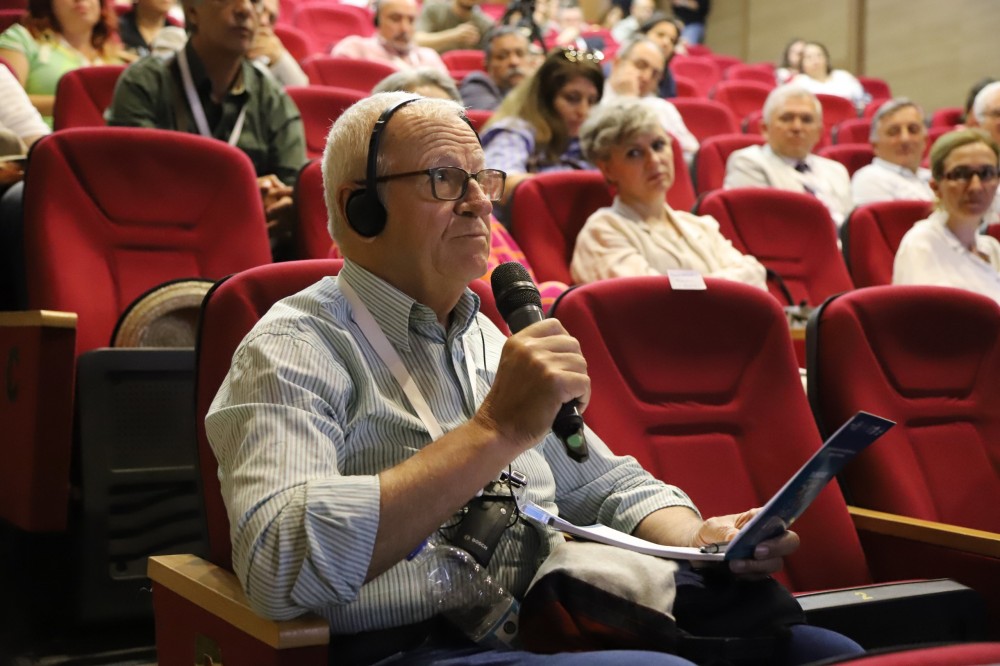
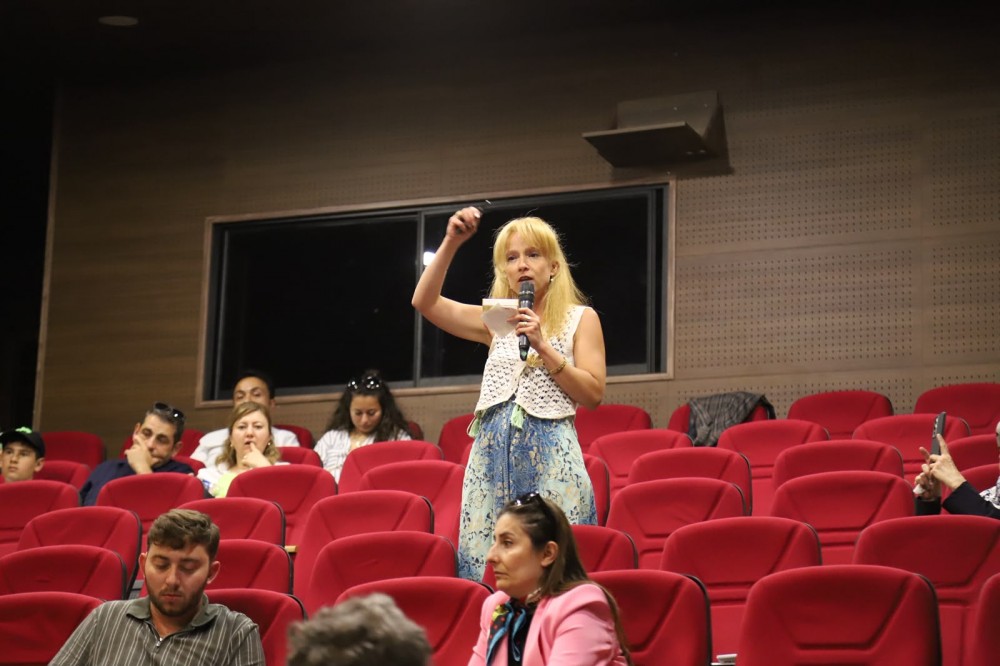
Throughout the two-day event, participants shared scientific knowledge, experiences, and examples of best practices in combating climate change. The symposium also contributed significantly to the development of new partnerships among academia, local governments, non-governmental organizations, and private sector representatives. Eskişehir Metropolitan Municipality reaffirmed its commitment to continuing its efforts to address the climate crisis through science-based approaches while bringing together stakeholders for a sustainable future.
A DIVERSE RANGE OF SESSIONS WAS HELD
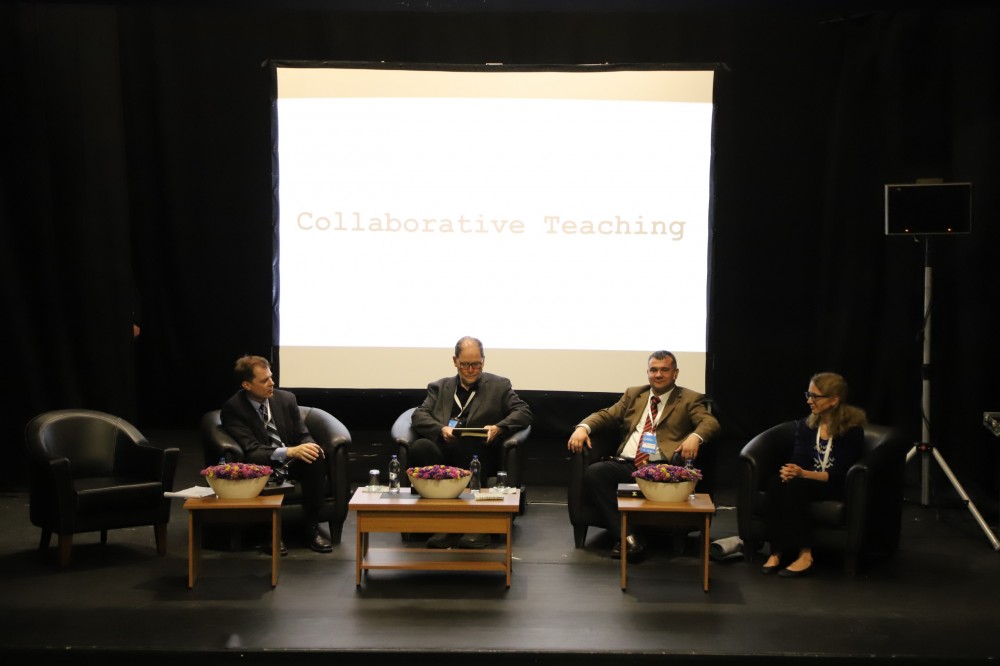
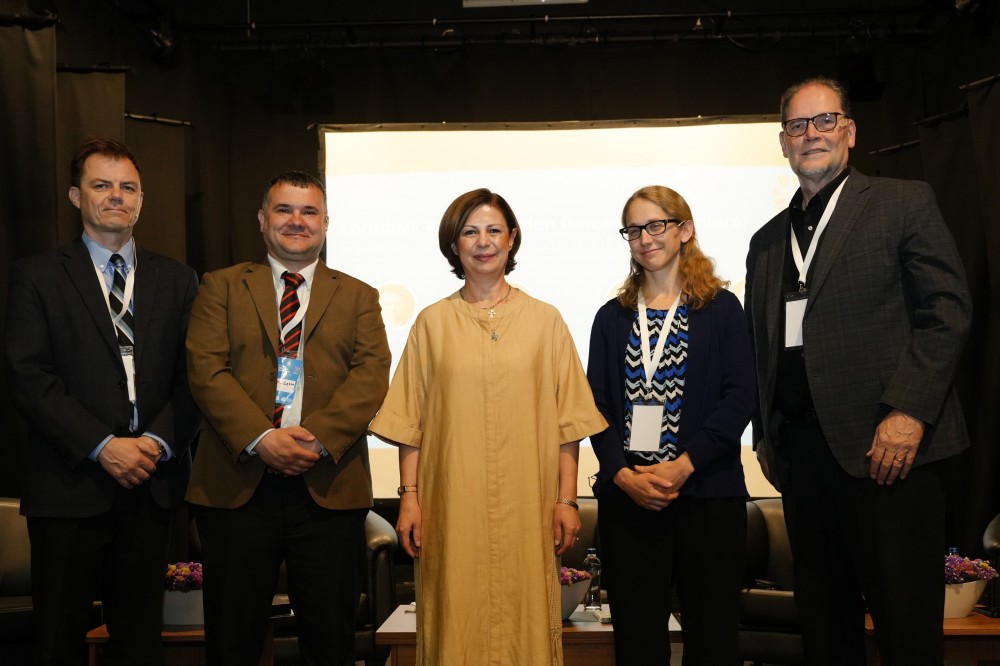
The first session of the opening day focused on "From Complex Problems to Realistic Solutions: Climate Resilience Across Systems and Sectors." Moderated by Prof. Dr. Volodymyr V. Tarabara, the session featured presentations by Prof. Dr. Bora Çetin, Prof. Dr. Kristen Çetin, and Prof. Dr. Douglas K. Hartman. Discussions centred on the development of climate-resilient systems, cross-sectoral cooperation, and sustainable solution models.
The second session, titled "International Cooperation in Environmental Sustainability," explored the role of global partnerships in addressing environmental challenges. Moderated by Daiva Matoniene, the session included Prof. Dr. Volodymyr V. Tarabara sharing experiences from current research and educational projects, Associate Professor Serap Erdal presenting the contributions of Chicago's sensor-based air quality monitoring network to climate policy, and Prof. Dr. Pınar Yıldız discussing the relationship between the climate crisis and holistic health.
The third session addressed "International Networks and Local Goals: A Multi-Level Approach to Climate Governance." Moderated by Prof. Dr. Bora Çetin, the session featured presentations by Daiva Matoniene, Nida Bilgen, and Tuğçe Üzümoğlu on the local implications of global climate targets, climate investments, multi-level governance models, and stakeholder engagement.
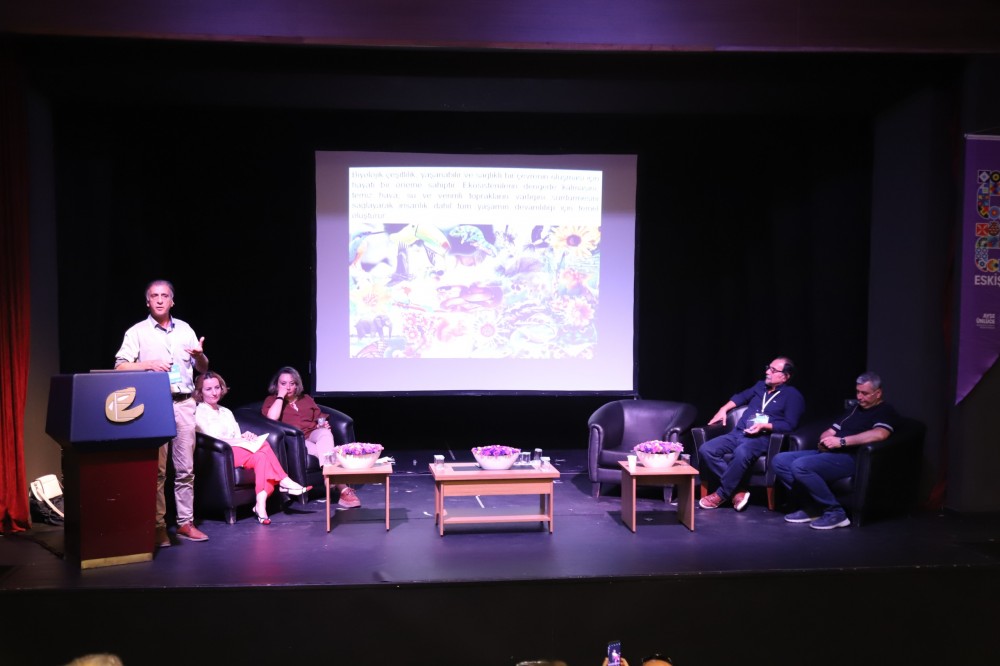
The final session of the first day focused on biodiversity. Moderated by Prof. Dr. D. Ümit Şirin, the session included Prof. Dr. Ali Dönmez discussing the impact of climate change on plant life, Prof. Dr. Mustafa Sözen addressing its effects on animal species, Dr. Hakan Çalışkan emphasizing the importance of biodiversity museums, and Prof. Dr. Cengiz Türe offering insights into the COP31 agenda.
THE SECOND DAY OF THE SYMPOSIUM ALSO DREW SIGNIFICANT ATTENTION
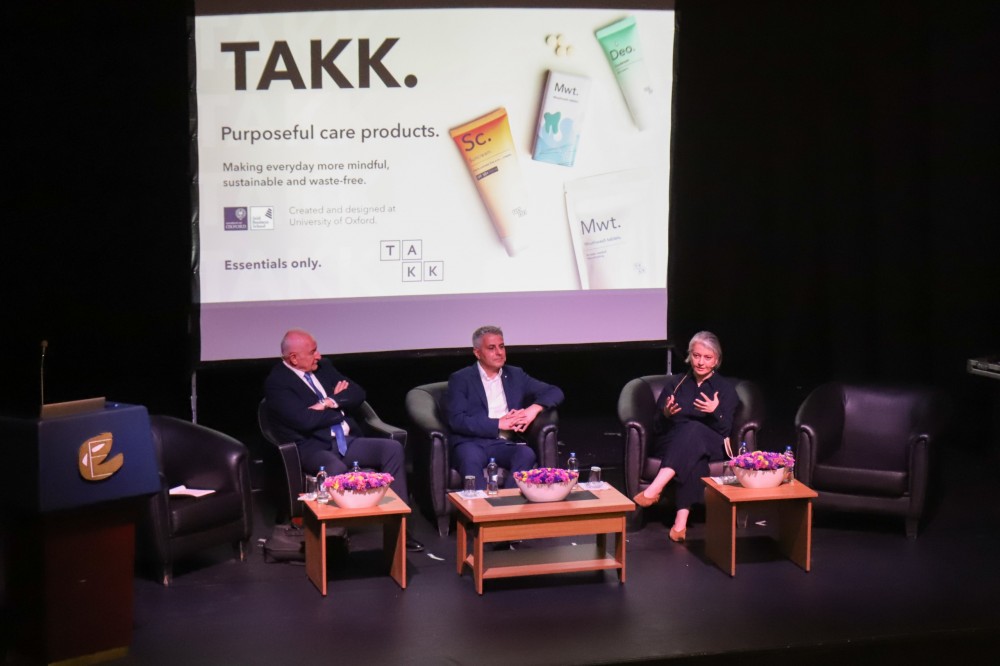
The second day of the symposium continued with strong participation and interest. The opening session, "The Invisible Infrastructure of Cities: Waste Management," examined the current state of municipal waste management in Türkiye and future roadmaps in this field. Prof. Dr. Osman Atilla Arıkan discussed biomethanization and anaerobic digestion technologies, while TAKK founder Pınar Akıskalıoğlu highlighted the importance of shared responsibility in building a zero-waste ecosystem.
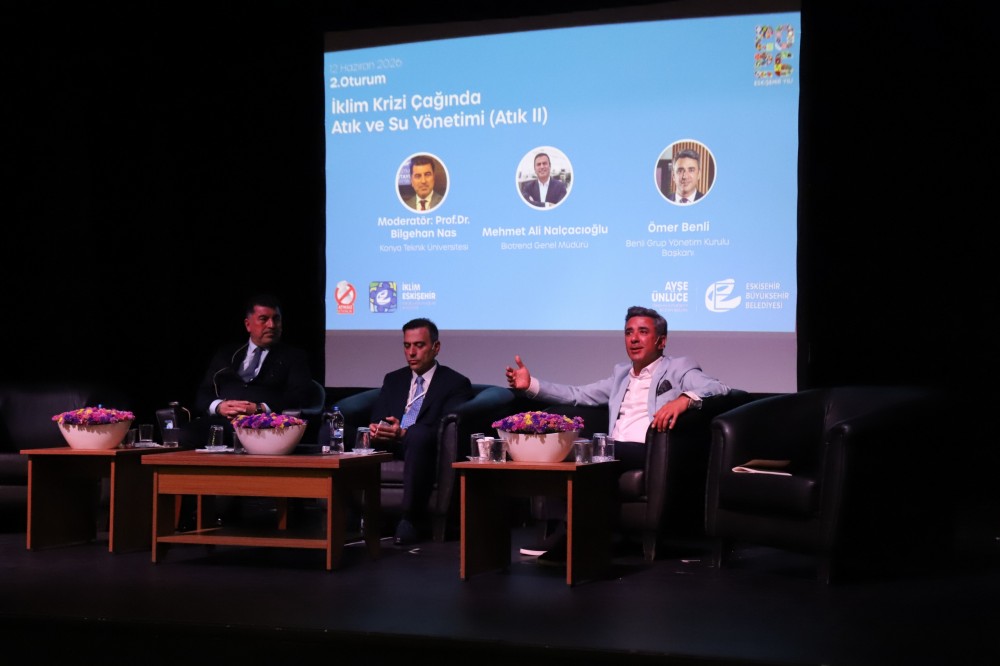
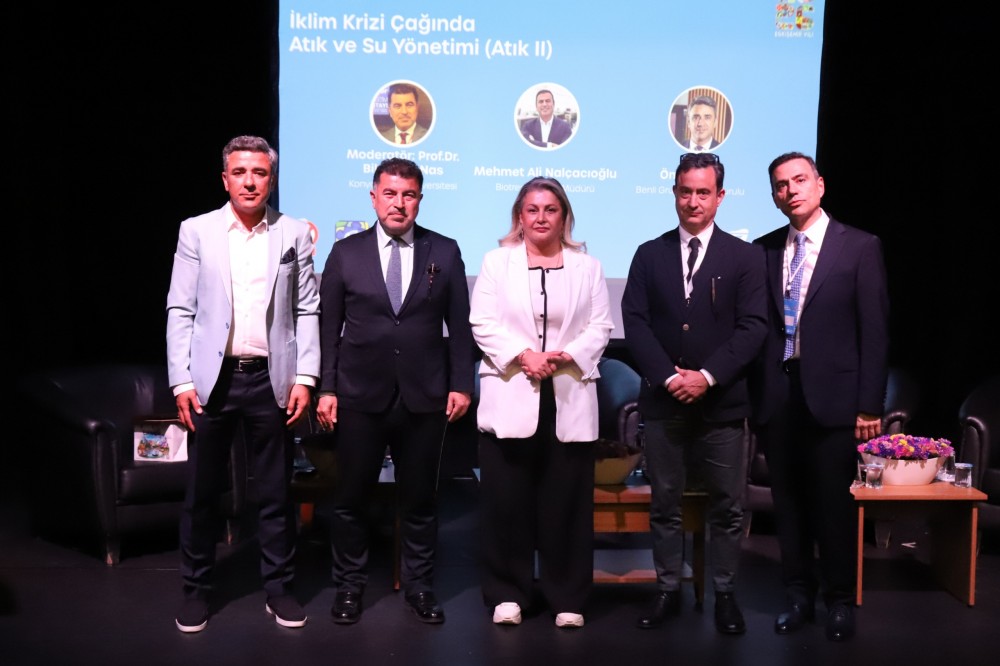
The second session, "Waste and Water Management in the Age of Climate Crisis," featured presentations ranging from water and wastewater management to resource recovery technologies. Mehmet Ali Nalçacıoğlu introduced an integrated resource recovery model based on circular economy principles, while Ömer Benli discussed plastic recycling technologies, microplastic pollution, chemical recycling, and the management of electronic waste.
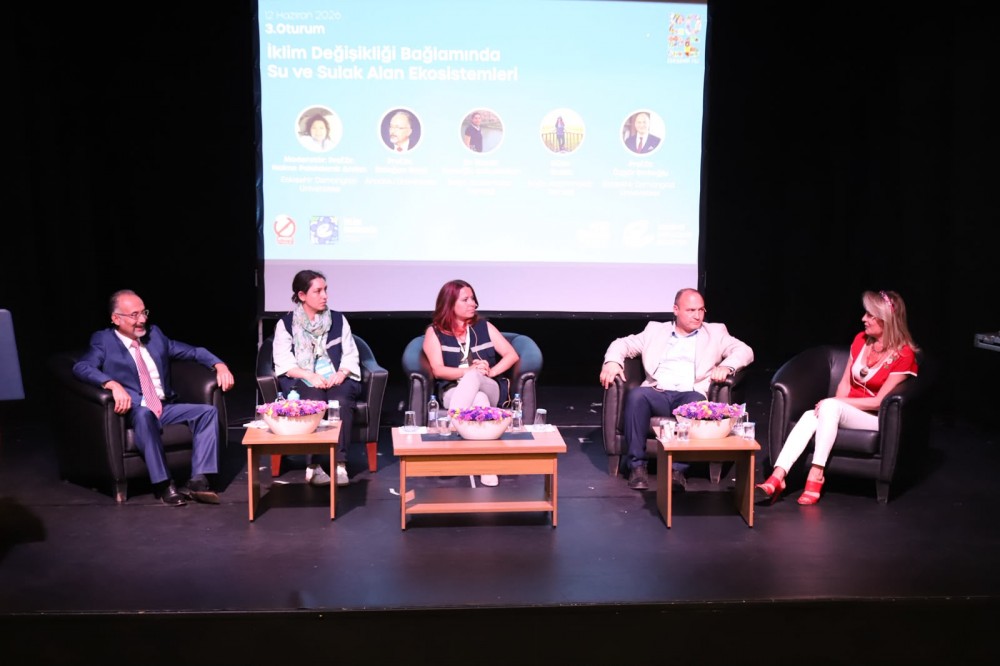
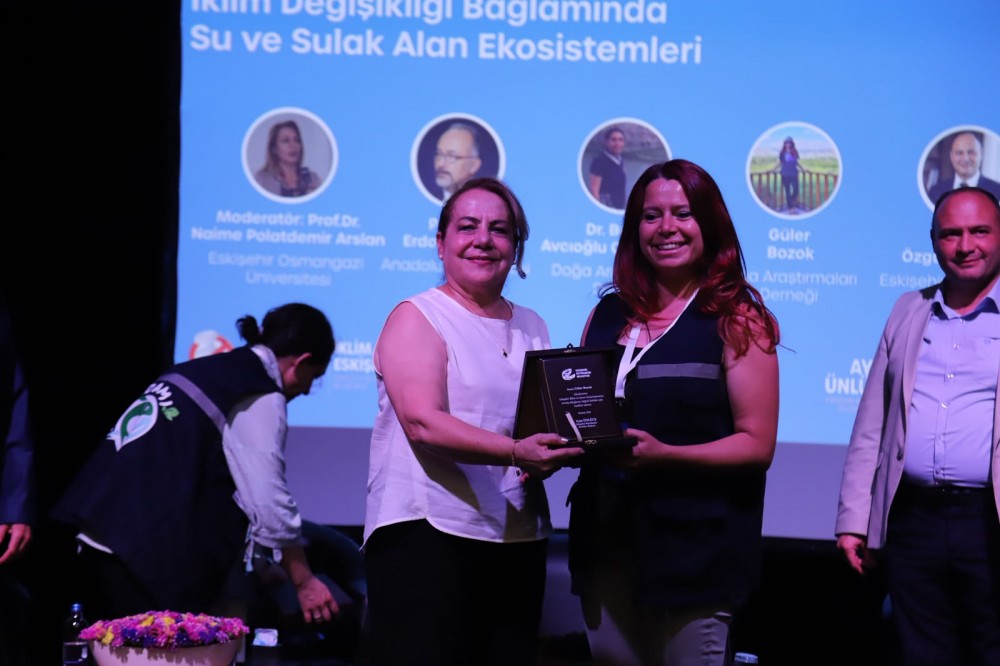
The afternoon session, "Water and Wetland Ecosystems in the Context of Climate Change," explored the importance of protecting water resources and preserving wetlands in the face of climate change. Prof. Dr. Erdoğan Kaya highlighted river awareness through the example of Seydi Stream in Eskişehir, while Dr. Başak Avcıoğlu Çokçalışkan and Güler Bozok presented on wetland conservation, restoration, and nature-based solutions. Prof. Dr. Özgür Emiroğlu examined the impacts of climate change on aquatic fauna.
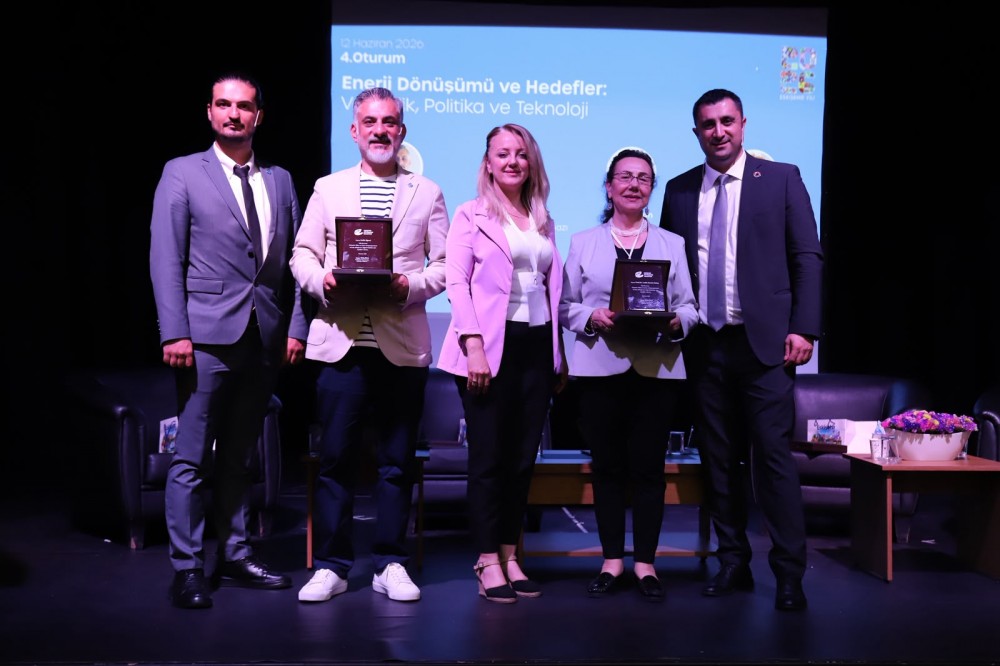
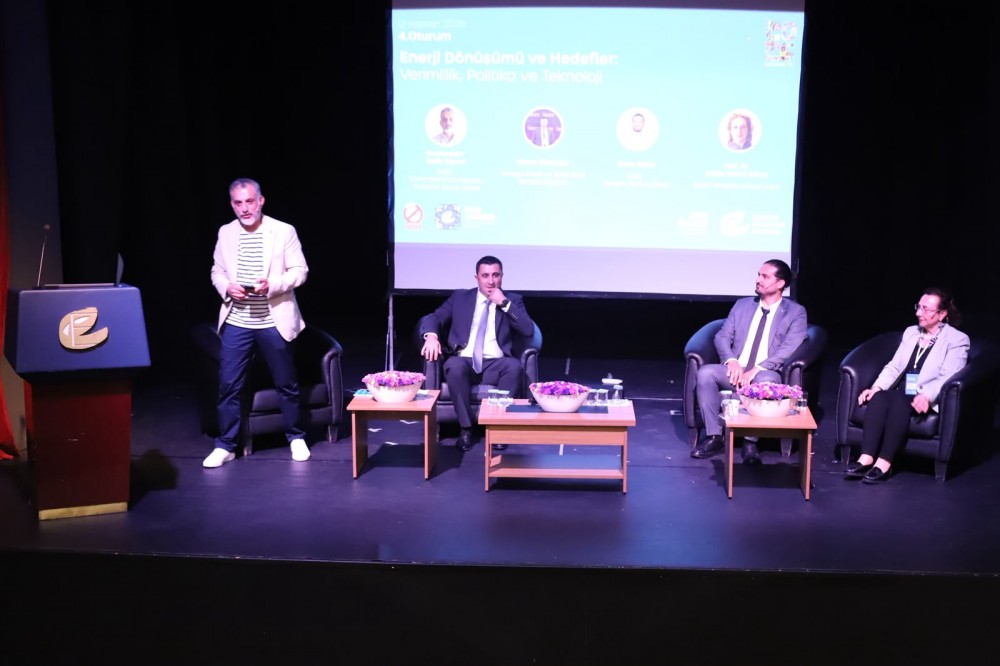
The fourth session, "Energy Transition and Targets: Efficiency, Policy and Technology," addressed energy efficiency, Türkiye's energy policies, and nuclear energy from the perspective of the climate crisis. Murat Gümüşel discussed energy efficiency-driven growth, Emre Fidan evaluated energy policies in the context of climate change, and Prof. Dr. Latife Berrin Erbay examined the role of nuclear energy in addressing climate challenges.
The symposium concluded with the session "Climate-Resilient Cities of the Future: Solutions from Local Academia and Civic Participation," during which scientific proposals for the future of cities were shared. Prof. Dr. Semra Günay emphasized the importance of preserving agricultural lands on urban fringes, while Prof. Dr. Uğur Avdan discussed the relationship between urban heat islands and green spaces. Dr. Hakan Uyguçgil highlighted the role of geographic information systems and civic participation in enhancing local climate resilience, and Prof. Dr. Atila Ocak drew attention to the importance of biodiversity in urban planning.
ACADEMICS THANK MAYOR ÜNLÜCE
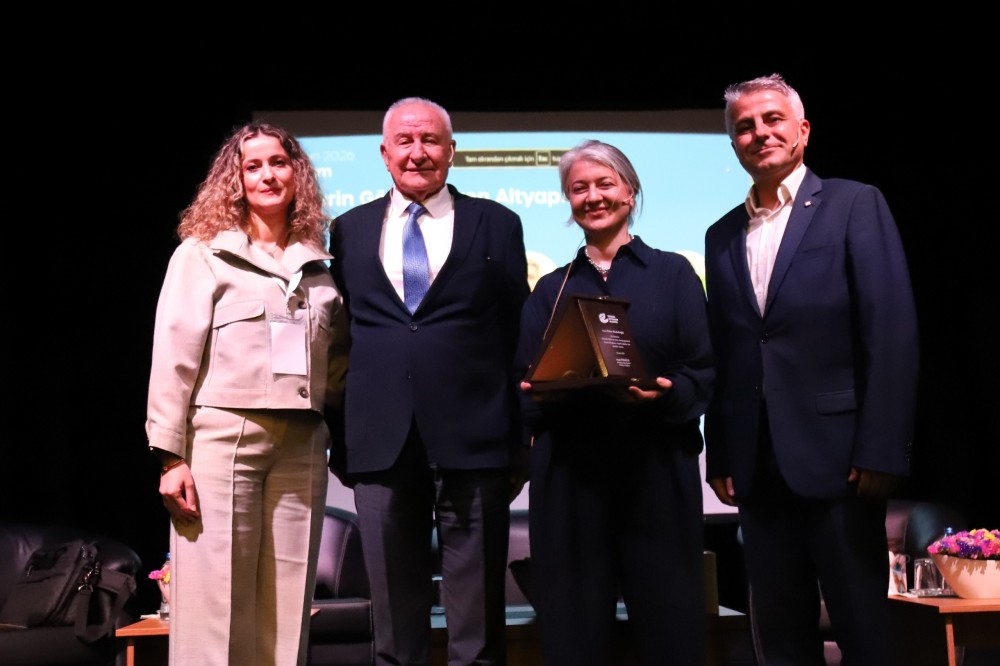
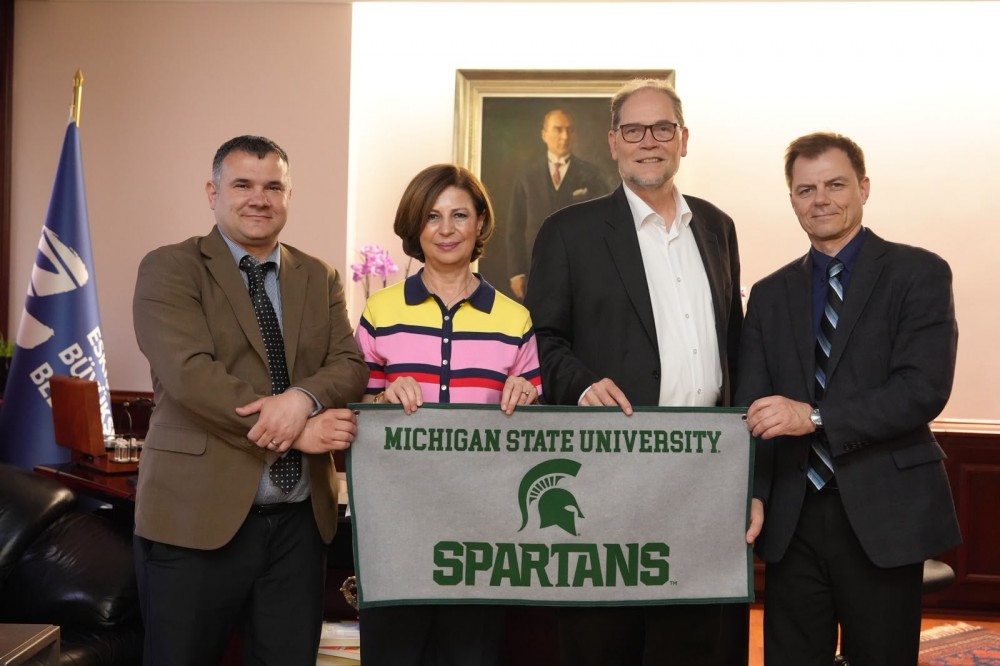
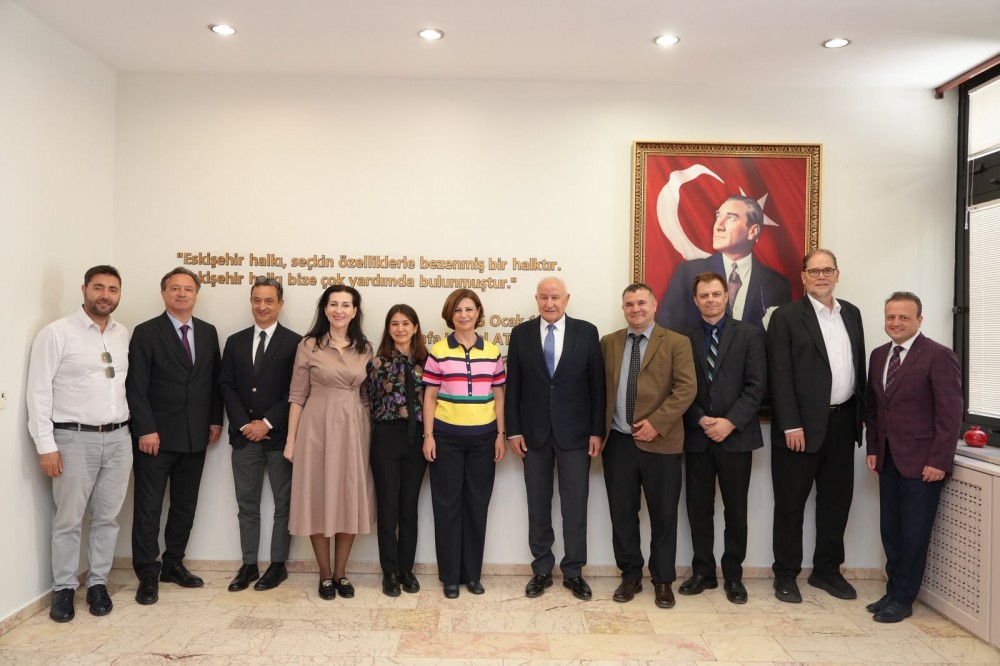
Following the International Eskişehir Climate Change and Environment Symposium, academics who had contributed to the event paid a courtesy visit to Mayor Ayşe Ünlüce. The delegation included Prof. Dr. Ahmet Çabuk, advisor to Eskişehir Metropolitan Municipality; Prof. Dr. Bora Çetin, Prof. Dr. Douglas Hartman, Prof. Dr. Volodymyr Tarabara, and Prof. Dr. Kristen Çetin from Michigan State University; Daiva Matoniene from Lithuania; and Nida Bilgen, representative of ICLEI - Local Governments for Sustainability. Dr. Aytaç Ünverdi, Head of the Department of Climate Change and Zero Waste, was also present at the meeting.
During the visit, the academics expressed their satisfaction with both the scientific quality and organizational success of the symposium. They thanked Mayor Ünlüce for Eskişehir Metropolitan Municipality's visionary approach to addressing climate change and for its outstanding hospitality throughout the event.