NEWS
JOINT ACTION AGAINST THE CLIMATE CRISIS
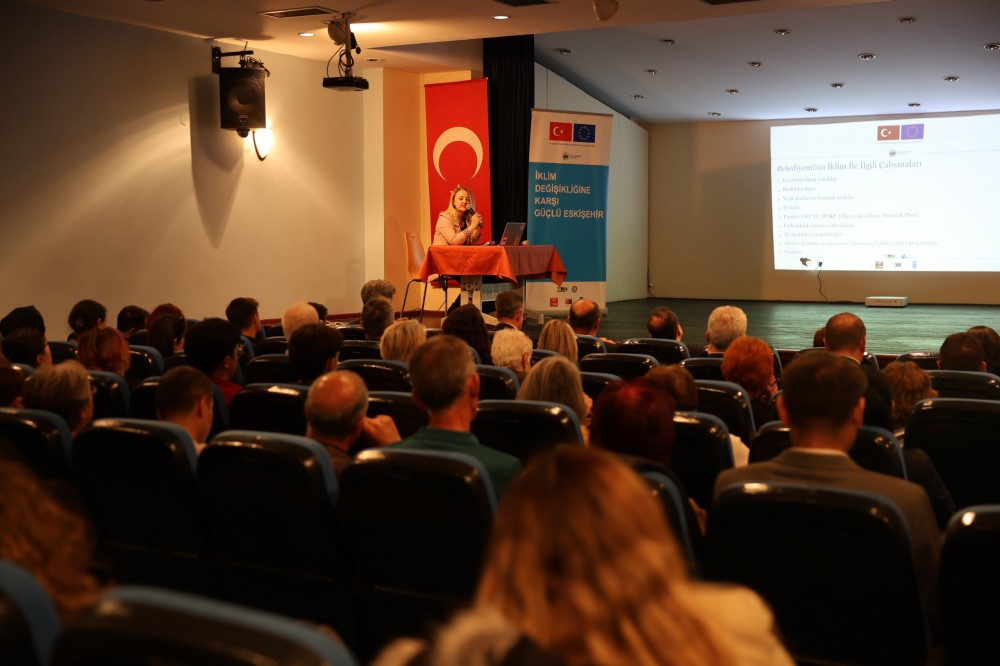
Within the scope of the "Strong Eskişehir Against Climate Change Project," carried out in cooperation between Eskişehir Metropolitan Municipality and the TEMA Foundation, a Public Meeting was held with intense citizen participation, emphasizing the impacts of the climate crisis and highlighting the importance of collective steps toward sustainable solutions for the city.
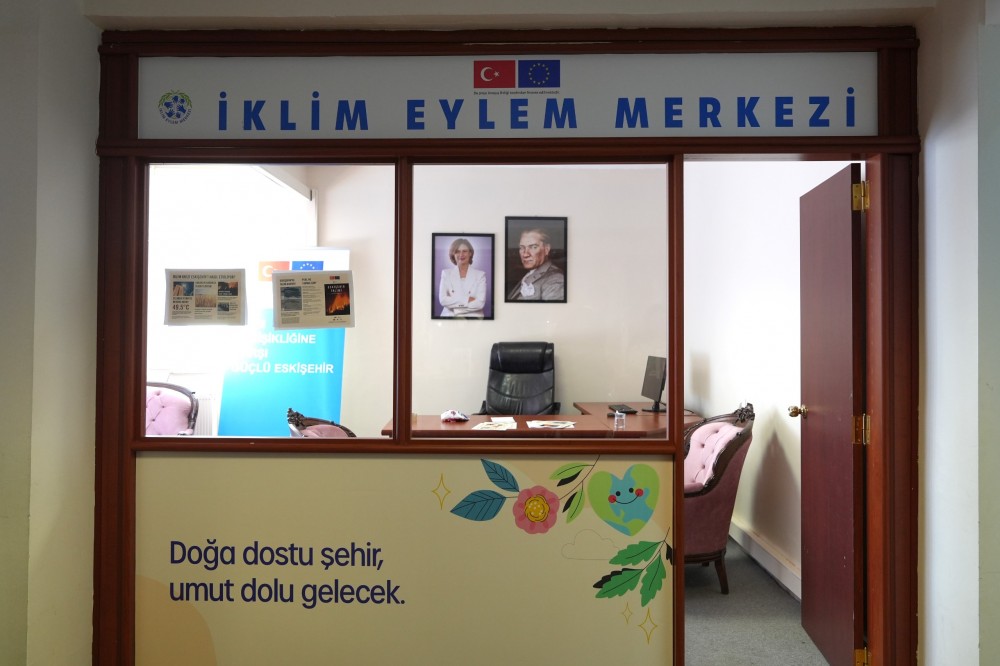
Funded by the European Union and implemented under the Civil Participation Project--led by the Union of Municipalities of Türkiye and the Directorate for EU Affairs of the Ministry of Foreign Affairs, and executed by UNDP--the Public Meeting took place as part of the Strong Eskişehir Against Climate Change Project, alongside the launch of the Climate Action Center.
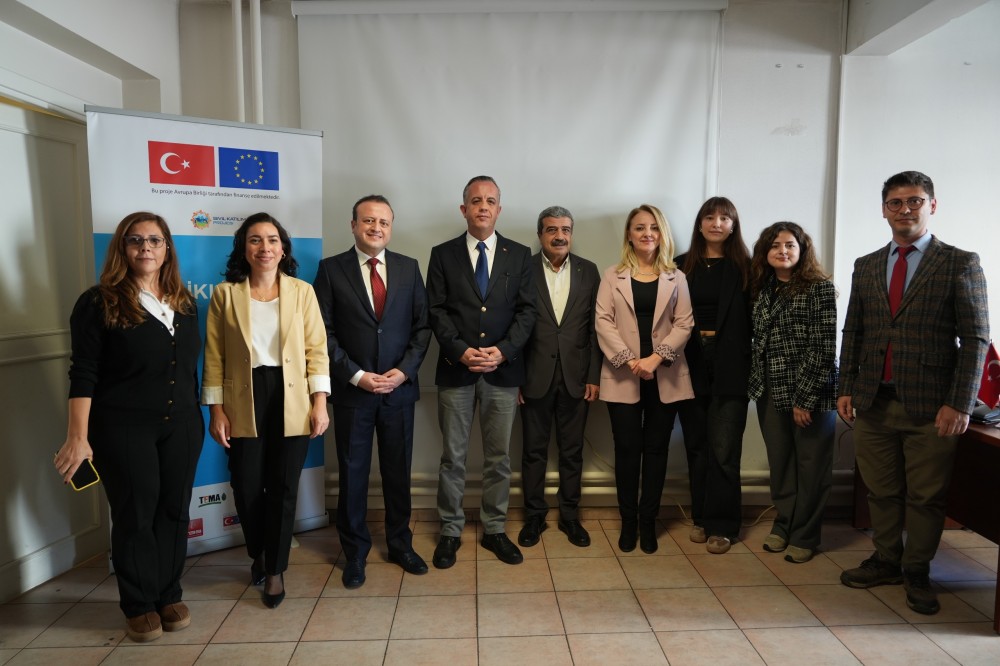
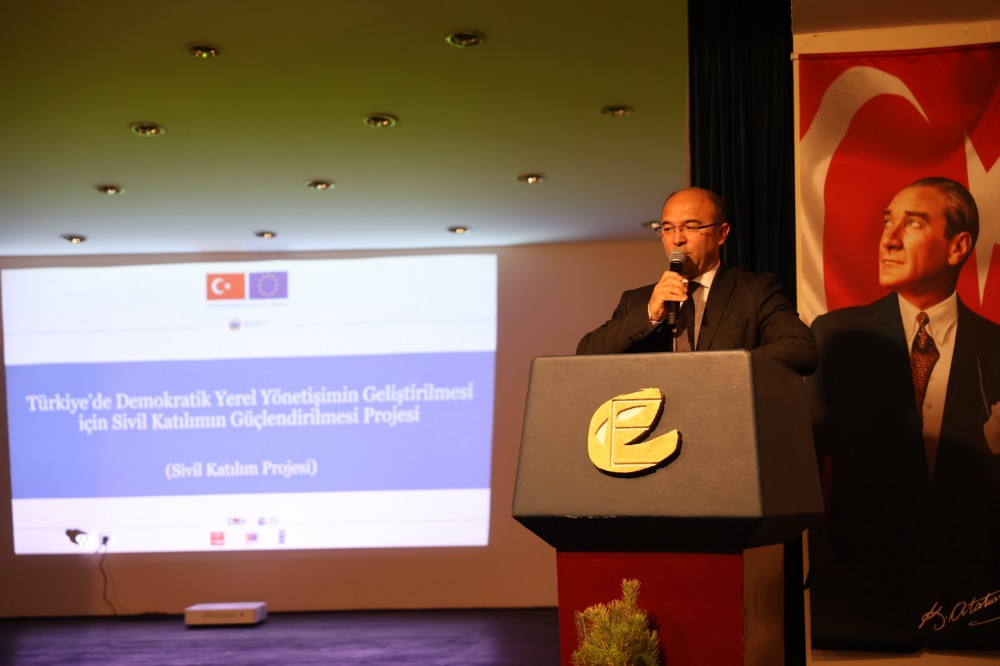
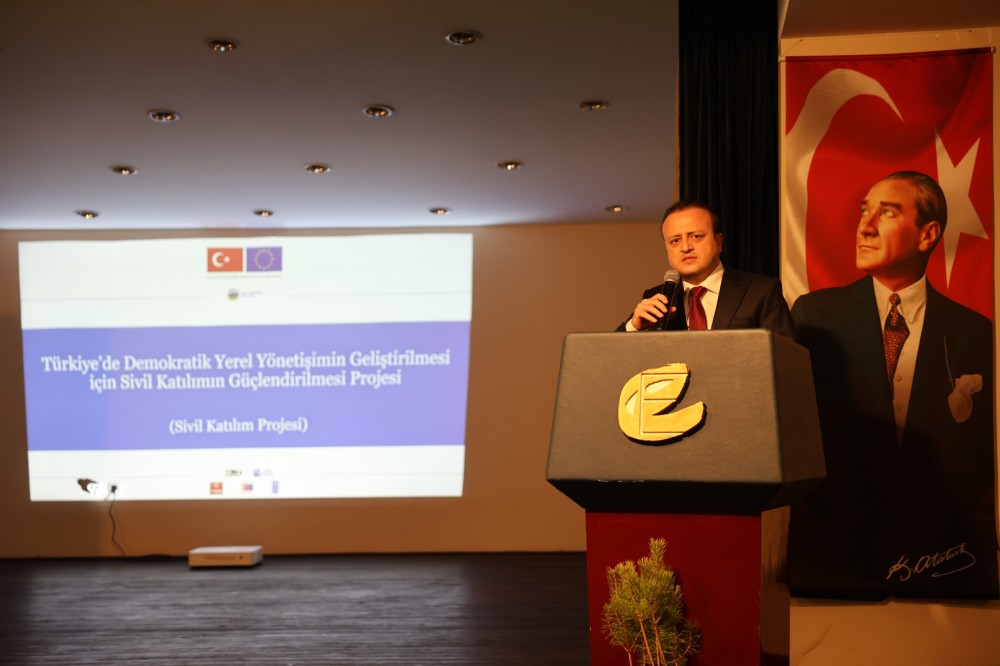
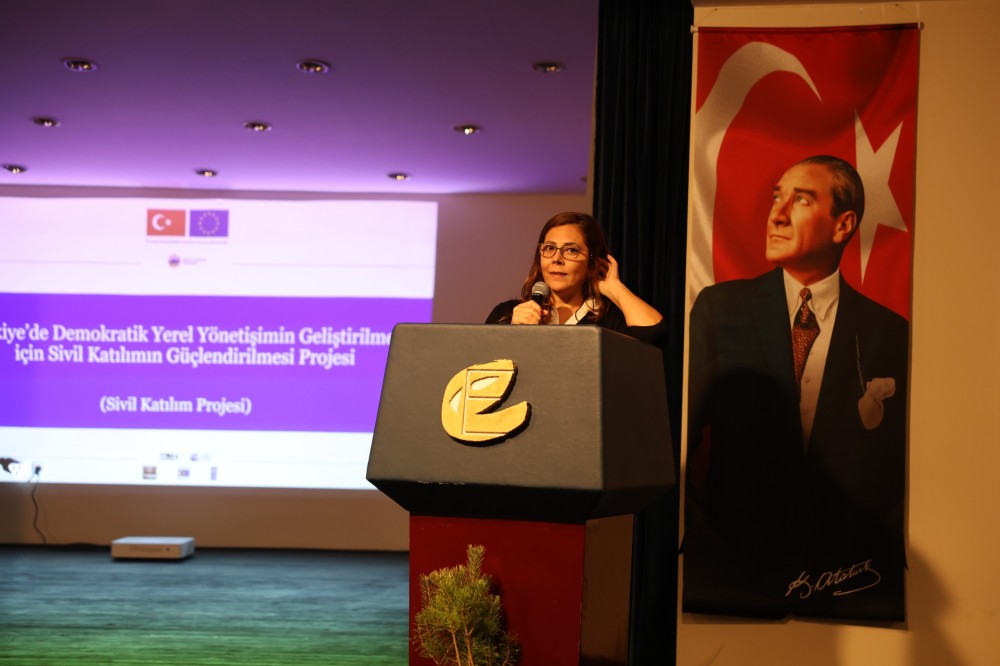
Held at the Ergin Orbey Stage in Eskişehir, the meeting was attended by Seyitgazi Mayor Uğur Tepe; Dr. Aytaç Ünverdi, Head of Eskişehir Metropolitan Municipality's Climate Change and Zero Waste Department; Eylem Tuncaelli, Head of TEMA Foundation's Environmental Policies and International Relations Department; Dilek Erarslan Meral, Grant Manager of UNDP's Civil Participation Project; and Ahmet Kapanoğlu, President of the Eskişehir City Council, along with municipal bureaucrats, local administrations, representatives of various NGOs, and citizens.
Emphasizing that climate adaptation is only possible through collective action, Eylem Tuncaelli stated: "With the Strong Eskişehir Against Climate Change Project and the Climate Action Center, our goal is to increase climate awareness in Eskişehir and create a strong model of local solidarity against the crisis. This center will be a place where Eskişehir residents can voice their opinions about their city, produce solutions together, and grow solidarity. The climate crisis is a shared issue for all of us. We can only create solutions together. This project has two important components: technical studies and public participation. We are determining how Eskişehir will be affected by climate risks such as extreme heat, floods, forest fires, and drought by 2030. We are close to completing this work. Once finalized, we will identify the risks we face, examine how the city's most vulnerable groups will be impacted, and plan steps to make the city more resilient. Even after the project ends, we sincerely believe that the people of Eskişehir will continue to embrace this work, actively use the Climate Action Center, and collectively produce solutions."
Highlighting climate change in his speech, Aytaç Ünverdi said: "This issue is no longer a distant problem for other countries--it is the reality of our city and our neighborhoods. Summers are getting longer, temperatures are rising, rainfall is decreasing, and sudden storms and floods are becoming part of daily life. This change affects not only nature but also agriculture, water resources, the economy, public health, and social life. For this reason, we have made climate change our top priority as Eskişehir Metropolitan Municipality. For us, this issue is not only about the environment--it is also about urban safety and public health. With this awareness, under the leadership of our Mayor Ayşe Ünlüce, we are working both to reduce the impacts of climate change and to adapt our city to these new conditions."
Recalling the wildfire that occurred this year in the Seyitgazi district and expressing his deep sorrow, Seyitgazi Mayor Uğur Tepe said: "Climate change has become visibly apparent. In Seyitgazi, we experienced major wildfire disasters in 2019, 2023, and most recently in 2025. Unfortunately, we lost 10 people in these fires. I offer my condolences to our martyrs and patience to their loved ones. These disasters clearly demonstrate the effects of climate change. Seyitgazi is a major agricultural district with a significant portion of Eskişehir's forest assets. However, our water resources are rapidly depleting. Out of our 670,000 decares of arable land, we can irrigate only 180,000 decares. Kunduzlar Dam is currently at only 7% capacity, while Çatören Dam stands at 17%. Our groundwater level drops every year; water that could be reached at 120 meters 5-6 years ago now comes from 200 meters. At this rate, facing a drinking water shortage in the coming years is inevitable. Therefore, both institutions and individuals must use water efficiently and protect our forests and green spaces. Cooperation among local governments and public awareness are crucial in combating climate change."
Following the speeches, Sibel Benek, Branch Manager of EBB Climate Change and Energy Management; Dr. Hakan Uyguçgil, faculty member at ESTÜ; and Yasemin Korkmaz, Project Coordinator of TEMA Foundation's Environmental Policies and International Relations Department, delivered presentations on climate change.